One of the clearest signs that gaming culture is accelerating right now isn’t a new console launch—it’s fans literally showing up to real-world racetracks in full cosplay just to compete. That level of commitment mirrors what’s happening in the hardware world: players are upgrading, customizing, and optimizing their setups faster than manufacturers can predict. Add in the sudden arrival of an under-$200, 18-core desktop CPU at retail, and it’s obvious why console accessories and controller mods matter now: performance expectations are rising, and personalization has become part of how we play.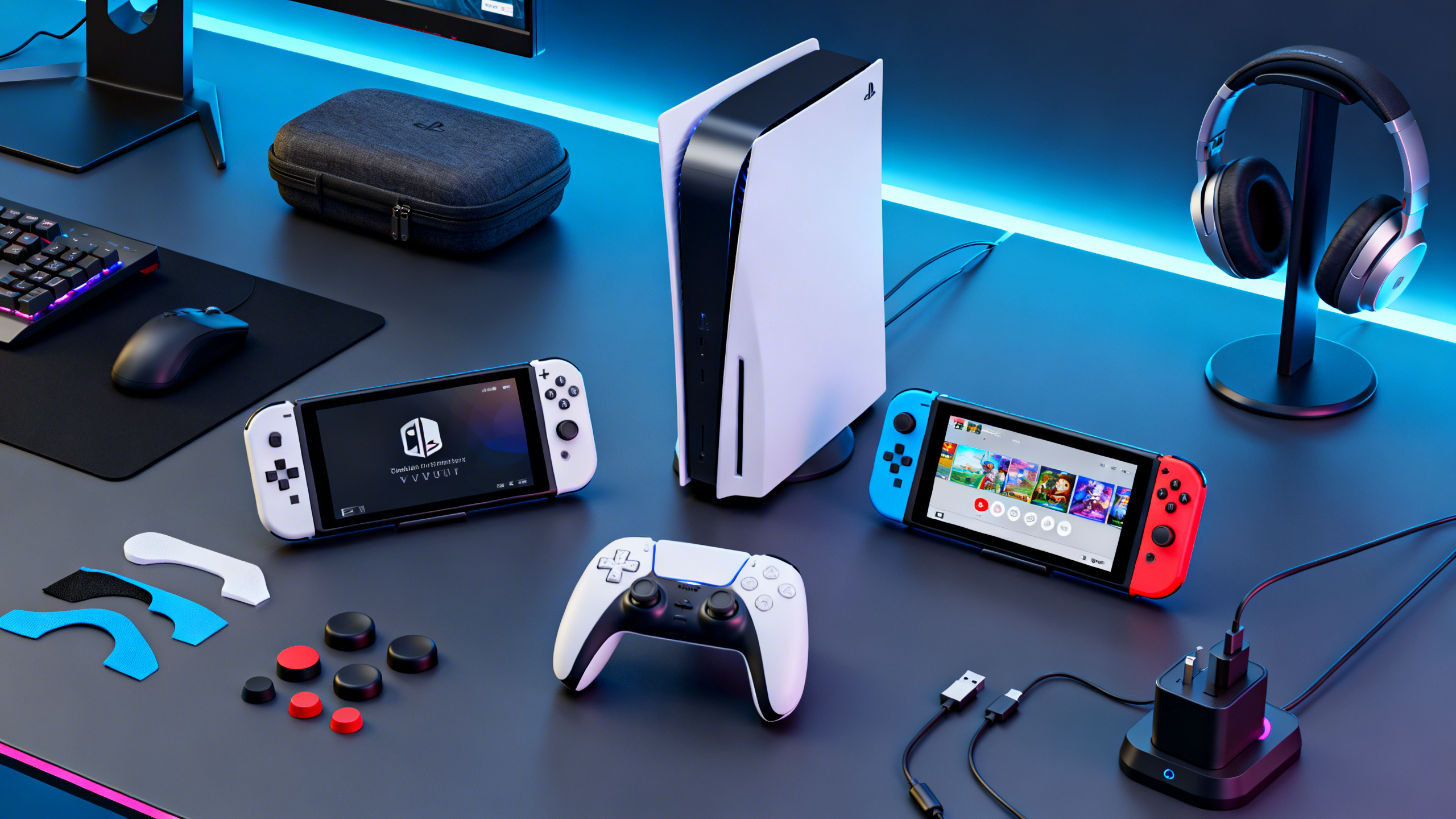
Customization Is the New Baseline (Not a Bonus)
Pop culture crossovers are thriving because fans love remixing familiar identities—like Spider-Noir dropping into a Golden Age-style Metropolis and colliding with Lex Luthor. That same “mash-up” energy has spilled into console hardware: players want their PS5, Switch, and Steam Deck to feel like theirs, not like a stock device pulled off a shelf.
That’s why cosmetic mods have shifted from niche to mainstream. Swapping plates, shells, and grips is no longer just about looks; it’s about feel, durability, and even maintenance. A fresh outer shell can hide scuffs, improve grip texture, and give you a cleaner starting point when you’re also replacing sticks or buttons.
- PS5: Faceplate swaps and matching controller accents are the quickest way to refresh a setup without opening electronics.
- Switch: Shell swaps can modernize an older system and pair well with thumbstick cap upgrades and travel cases.
- Steam Deck: Skins and protective shells often start as style choices, then become practical when you’re carrying it daily.
If your goal is a coordinated look without compromising fit, browse options designed for the platform—like PS5 Accessories and Faceplates—and build outward from there (controller colorway, dock area, headset stand) so your setup looks intentional rather than random.
Competitive Play Is Shaping Hardware Expectations
Riot’s Riftbound has exploded in popularity since debuting on Halloween last year, with local scenes growing into Regional Qualifiers and a rapidly evolving meta. That matters for console accessory buyers because competitive ecosystems—whether it’s a TCG tournament hall or an online ladder—create the same pressures: consistency, speed, and comfort over long sessions.
The Riftbound design team has talked openly about how they evaluate the health of play patterns, not just raw power. They’ve acknowledged that bans are painful but sometimes necessary when the experience “doesn’t feel right,” including strategies that drag games out or simply aren’t fun to face. That philosophy has an interesting parallel in controller and handheld modding: the “best” setup isn’t just what wins on paper; it’s what reduces friction while playing.
Hardware takeaway: if your controller causes fatigue, accidental inputs, or inconsistent aim, it doesn’t matter how strong your build is in-game—you’ll lose to comfort and reliability issues first.
Actionable checklist for immediate improvement
- Prioritize contact points: start with thumbstick caps, back buttons/paddles (if you use them), and grip tape—these change performance feel instantly.
- Fix fatigue before chasing “pro” features: if your hands cramp, adjust grip thickness and trigger tension (where possible) before buying a new controller.
- Test changes one at a time: swapping multiple parts at once makes it hard to know what actually helped.
This is the same lesson competitive card designers are learning with small card pools: when options are limited, individual choices matter more. In accessories, a single high-impact mod (like better grip) often beats a pile of low-impact add-ons.
Performance Pressure Is Rising—Even for “Just Consoles”
When an 18-core desktop CPU shows up at retail for under $200, it sends a signal to the broader gaming market: consumers now expect a lot of compute per dollar. Even if you’re primarily a console player, that expectation influences what you demand from accessories—faster charging, lower-latency connections, better cooling, and more stable docks.
For handhelds in particular, accessory quality can affect day-to-day performance. A poor dock or hub can introduce flaky HDMI handshakes, unstable power delivery, or inconsistent charging behavior. A bad case can trap heat during longer sessions. And if you’re using your handheld like a hybrid PC/console, you’ll feel those weak links quickly.
That’s why shopping by “feature headline” isn’t enough. Look for accessories that support a stable experience:
- Charging: choose reputable USB-C PD solutions matched to the device’s expected wattage.
- Cooling: avoid thick, non-vented covers if you frequently play demanding titles for long sessions.
- Connectivity: for docks/hubs, prioritize consistent output over extra ports you won’t use.
If you’re building a travel-friendly setup, start with purpose-built categories like Steam Deck Accessories and assemble a kit around your actual habits: commute play (protective case + compact charger), TV play (reliable dock), or desk play (stand + controller).
Community Energy Drives What Becomes “Standard”
Umamusume fans organizing real races in cosplay sounds wild, but it’s also a case study in how enthusiast communities turn a niche idea into a global phenomenon. That same momentum is what turns a controller mod from “optional” into “expected.” Once enough players adopt a comfort or performance upgrade, it becomes the new normal—especially when streamers and tournament regulars normalize it.
In the console accessory space, that’s why certain categories keep climbing:
- Hall-effect style stick upgrades and anti-drift strategies (where available) because drift is a universal pain point.
- Shell swaps as a gateway mod: lower barrier than soldering, big visual payoff, and it pairs with deeper upgrades later.
- Modular travel kits for handhelds because players increasingly treat them like daily-carry hardware.
For Switch owners, a shell refresh can be the cleanest “reset button” before you invest in more serious fixes. If your device is scratched, glossy-worn, or mismatched from older repairs, explore Nintendo Switch Shells and pair the swap with fresh thumbstick caps and a better case for an immediate quality-of-life boost.
These community-driven shifts also explain why accessory makers iterate so fast: the moment players decide something improves the experience—comfort, speed, identity—everyone else follows.
Quick Recommendations: What to Buy First (By Platform)
If you want the most impact per dollar, start with upgrades that touch your hands, protect your hardware, or stabilize power.
- PS5: a comfortable controller grip solution + a cosmetic refresh (faceplates) to match your setup; then consider trigger/stick upgrades if you play competitive shooters.
- Nintendo Switch: a durable case + thumbstick caps first; then a shell swap if your unit is cosmetically tired or you want a themed build.
- Steam Deck: a protective travel case + reliable USB-C PD charger; then a dock/hub you trust for consistent TV output.
One practical rule: buy for the sessions you actually play. If you mostly play docked, spend on docks/controllers. If you play handheld daily, spend on protection, grip, and charging reliability.
Conclusion: The same forces driving gaming right now—crossover culture, competitive metas, and rapidly rising performance expectations—are also pushing console accessories and controller mods into the spotlight. Focus on comfort, stability, and personalization in that order, and you’ll feel the upgrade immediately. As communities keep raising the bar on what’s “normal,” the smartest setups will be the ones that balance style with consistent, tournament-ready reliability.