You can ignore a teaser image, skip a podcast episode, and scroll past yet another showcase announcement without feeling like you missed much. But stack those signals together—a possible OnePlus gaming handheld leak, a spring showcase promising over 50 games and seven world premieres, and Sony pushing a new limited-edition DualSense while talking up PS5 Pro enhancements—and a different picture appears. The hardware story this week is not just about games. It is about the next wave of accessories, controller demand, and portable setup decisions that players will have to make fast.
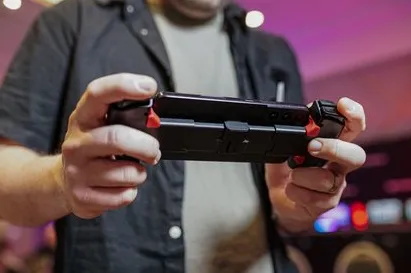
If you care about PS5 add-ons, handheld ergonomics, or the difference between a gimmick and a setup upgrade, this is the moment to pay attention. New software always creates new hardware pressure. More graphically intense releases demand better controls, longer sessions expose bad grip design, and every new handheld rumor sparks the same buyer panic: buy now, mod now, or wait?
The real trend this week: software announcements are driving hardware decisions
The most important takeaway from the current news cycle is simple: game announcements and accessory demand are moving together. That has been true for years, but the contrast is sharper now because each source points to a different part of the ecosystem.
On one side, the Galaxies Spring Showcase is setting expectations for a broad release pipeline with more than 50 games and seven world premieres. That kind of volume matters because broad release calendars increase peripheral spending. Players do not just buy one game; they start thinking about spare controllers, thumb grips, charging docks, carrying cases, and headset upgrades for whatever becomes the breakout hit.
On the other side, Sony is not treating accessories like an afterthought. The latest PlayStation chatter highlighted a 007 First Light Limited Edition DualSense arriving on May 27, while also spotlighting PS5 Pro upgrades for Cyberpunk 2077, including 4K upscaling, boosted performance, and advanced ray tracing. Better visuals and higher frame expectations tend to make players more sensitive to input feel. Once you notice smoother rendering, mushy triggers and worn thumbsticks become impossible to ignore.
Then there is the handheld angle. A possible first look at a OnePlus gaming handheld suggests the portable market is still hot enough for phone-adjacent brands to push into dedicated gaming hardware. That is a direct challenge to the current pecking order led by devices like the Steam Deck. New entrants mean new accessory standards, new case shapes, new thermal concerns, and the usual early-adopter pain.
When a week gives you a handheld rumor, a 50-plus-game showcase, and a new collectible controller, the story is not random hype. It is a market signal that players are about to reassess their setups.
OnePlus handheld rumor vs Steam Deck reality: what should buyers actually care about?
A rumored handheld is exciting, but accessory-minded buyers should stay brutally practical. The first question is not “Does it look cool?” It is “Will this thing fit into a real ecosystem?” That means comfort, ports, charging behavior, repairability, and accessory compatibility—not just launch-day excitement.
The contrast with the Steam Deck is useful. Valve’s machine already has a mature accessory environment: cases, dock options, thumbstick caps, screen protectors, cooling stands, rear-button grip solutions, and travel kits. If OnePlus enters the category, it will have to beat that reality, not just the meme value of being “the new handheld.”
Here is the common mistake: buyers fixate on raw chip performance and forget that ergonomics decide whether a handheld gets used daily or abandoned in two weeks. A slightly weaker handheld with better trigger reach, lower edge pressure on your palms, and cleaner sleep-resume behavior often wins in real life over a faster but awkward device.
Expert tip: when evaluating a new handheld, pay attention to trigger pivot feel and USB-C placement before anything else. Why? Because poor trigger geometry causes finger fatigue during shooters and racing games, while bad port placement can make charging while playing miserable, especially if you use a right-angle cable or external battery pack.
If you already use portable hardware heavily, browsing proven Steam Deck accessories can help you understand what features a new handheld will need to support before it deserves your money.
| Factor | Rumored New Handheld | Mature Handheld Ecosystem | Why It Matters |
|---|---|---|---|
| Accessory availability | Usually limited at launch | Wide range of cases, docks, grips | You will feel launch gaps immediately if you travel or play docked |
| Ergonomic testing | Mostly unknown | Community feedback is already established | Comfort beats spec-sheet hype during long sessions |
| Repair and mod support | Unclear early on | Usually better documented | Important if you care about longevity and stick wear |
| Docking and charging behavior | Potential compatibility quirks | Known good setups exist | Bad power negotiation can ruin convenience |
Why the new DualSense matters more than another collector controller
The 007 First Light Limited Edition DualSense could be dismissed as cosmetic fluff. That would be lazy analysis. Special-edition controllers matter because they do two things at once: they test collector demand and they reset attention on controller wear. Whenever a flashy pad drops, players compare it against the one already in their hands—and suddenly drift, glossy wear spots, sticky face buttons, and weak battery life become impossible to ignore.
This matters even more in a week where Sony is also highlighting major PS5 experiences like Hades II, Pragmata, and an upgraded Cyberpunk 2077 on PS5 Pro. Fast, reactive games expose controller flaws quickly. The difference between a fresh DualSense and a worn one is not subtle if you play shooters, action games, or anything that depends on quick directional correction.
Before buying a limited edition, though, compare appearance versus utility:
- Collector value: great if you keep boxes and rotate gear carefully.
- Daily performance: only great if the controller is replacing an older, degraded unit.
- Mod potential: often less attractive if you planned to swap shells, sticks, or trigger parts.
That is the contrast too many buyers miss. A standard DualSense that you mod for grip texture or replaceable stick modules can be a smarter competitive tool than a limited pad you baby on a shelf.
Showcase season changes accessory buying behavior—usually in the wrong way
Whenever a major showcase approaches, players tend to buy accessories emotionally instead of strategically. They pre-order themed gear, grab cheap charging stands, and impulse-buy carrying cases “just in case” a new title becomes their next obsession. This is exactly backwards.
The better approach is to map purchases to use cases. A showcase with 50-plus games means genre variety, and genre variety changes what actually improves your setup. A hardcore action release can justify thumb grips or back-button solutions. A long RPG backlog makes battery management and comfort upgrades more important. A cinematic single-player game with PS5 Pro enhancements might push you toward display or headset upgrades instead of a new controller shell.
There is also a timing issue. If a rumored handheld becomes official soon after showcase season, early accessory money spent on the wrong platform can feel wasted. Because of that, you should separate purchases into three buckets:
- Immediate need: replace failing controllers, worn cables, or unsafe chargers now.
- Platform-locked upgrades: buy only if you are certain you will stay on that hardware for 6-12 months.
- Portable-flex accessories: power banks, microfiber storage pouches, and quality USB-C cables are safer cross-device buys.
That cause-and-effect chain is straightforward: when software calendars expand, players game longer; when they game longer, weak accessories become pain points; when pain points stack up, rushed buying follows. The goal is to interrupt that cycle before your setup turns into a pile of compromises.
From PS5 Pro to handheld rumors, performance changes expose bad setup habits
The Cyberpunk 2077 PS5 Pro update is a good example of a hidden hardware truth: better rendering can make accessory flaws more obvious. Sony is talking about 4K upscaling, improved performance, and stronger ray tracing. Those are display-side improvements, but they change perception across the whole setup.
Here is why. Once motion clarity and image detail improve, you notice latency, stick dead zones, and trigger inconsistency faster. It is similar to moving from a mediocre TV to a low-latency gaming display: suddenly the controller feels like part of the bottleneck.
Compare these two setups:
| Setup Style | Short-Term Impression | Long-Term Reality |
|---|---|---|
| Upgraded console, old controller, cheap cable | Sharper visuals at first | Input annoyances become more noticeable over time |
| Upgraded console, fresh controller, reliable charging setup | Less flashy purchase list | Better session-to-session consistency and less friction |
A beginner often assumes display tech is everything. An experienced player knows the chain is only as strong as the weakest touchpoint: controller battery health, USB reliability, stick wear, thermal comfort, and charging convenience all matter. If you are planning around upcoming PS5 releases, start with the component your hands interact with the most.
What you should actually do next
If you are trying to make smart hardware moves during this news cycle, keep it simple and ruthless:
- If your DualSense has drift, weak battery life, or worn triggers, replace or refurbish it before buying cosmetic add-ons.
- If you are tempted by handheld rumors, wait for confirmed specs, battery details, weight, and port layout before buying platform-specific accessories.
- If showcase season has you hyped, buy cross-platform essentials first: a high-quality USB-C cable, a proper power adapter, and a case or stand with real thermal clearance.
- If you play long sessions, prioritize comfort mods over novelty skins. Grip texture and button feel beat shelf appeal every time.
The biggest mistake right now is confusing visibility with value. A limited-edition controller is visible. A properly balanced handheld grip or dependable charging setup is valuable. Which one actually improves your next 100 hours of play?
FAQ
Should you buy a limited-edition DualSense for daily use?
Only if you also need a fresh controller. If your current pad is still healthy and you mainly want collectible value, treat it like a collector piece. If your old controller has worn sticks or battery issues, then a limited edition can serve both purposes.
Is it smart to buy accessories for a rumored gaming handheld before launch?
No. Wait for confirmed dimensions, port locations, charging specs, and real-world ergonomics. Universal accessories like quality cables or power banks are safer buys than device-specific cases or docks.
Do major game showcases really affect accessory sales?
Yes, because new release calendars change how people expect to play. More anticipated games mean longer sessions, more multiplayer use, more travel planning, and more scrutiny on comfort, charging, and controller reliability.
The interesting part is not whether one rumor becomes a real handheld or whether one showcase delivers a surprise hit. It is whether players finally start treating accessories as performance gear instead of afterthoughts. If portable hardware keeps expanding and PS5 software keeps getting more demanding, the next big upgrade may not be the console itself—it may be the stuff your hands touch every single match.