You probably don’t expect a tiny white Nintendo Wii to end up in the same conversation as Mac OS X prototypes, lost game builds, controller customization, and even a real-world self-driving outage. But that mashup points to a very real hardware trend: old and experimental tech is having a moment again, and the weakest link is no longer raw power. It’s reliability, mod-friendliness, and whether your setup can handle weird use cases without falling apart mid-session.
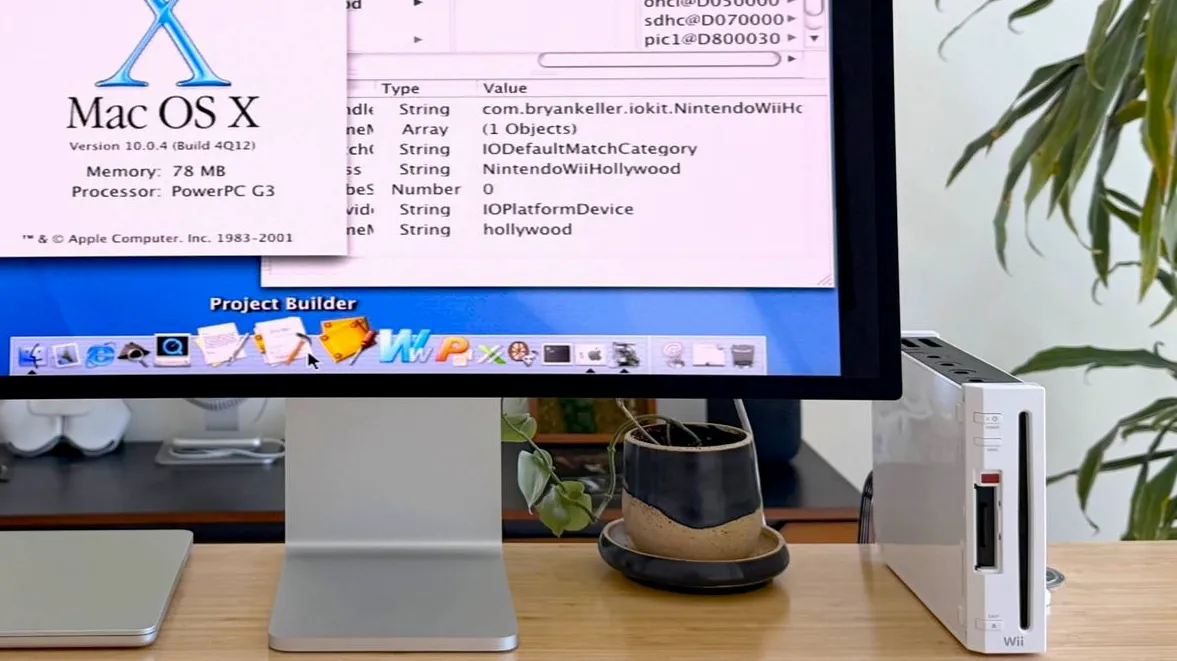
That matters for anyone building around a Switch, PS5, or Steam Deck. The headline-grabbing stories may be about a Wii booting an Apple operating system or an early build of Mirror’s Edge suddenly becoming playable, but the practical lesson is much more useful: enthusiasts are pushing hardware beyond its intended box, and accessories now decide whether that experimentation feels brilliant or cursed.
If you care about handheld mods, controller response, thermals, screen clarity, or preserving aging gear, this trend is impossible to ignore. The nostalgia wave isn’t just about old games anymore. It’s about turning neglected hardware into flexible, customized platforms—and avoiding the kind of failure cascade that leaves you stranded when one system dependency goes down.
Why retro hardware experimentation suddenly feels mainstream
The big signal is not just that a Nintendo Wii can run Mac OS X. It’s that people are excited by the idea at all. The Wii was never designed as a Mac box, obviously, yet the story caught attention because mod communities increasingly value hardware personality over official intent. That’s the same energy behind prototype recoveries, fan patches, custom firmware projects, and controller shell swaps.
Compare the old mindset versus the current one:
- Then: hardware was a sealed appliance, and mods were fringe.
- Now: hardware is a platform, and mods are part of ownership.
That shift matters because it changes what gamers demand from accessories. A stock accessory only needs to work within the manufacturer’s safe lane. A good enthusiast accessory has to tolerate edge cases: repeated disassembly, heat cycling, longer sessions, custom shells, alternate operating modes, and more aggressive travel use.
The nostalgia angle helps too. One source revisits Double Dragon with the kind of intense childhood attachment that only arcade-era games can trigger. That emotion is powerful, but nostalgia by itself doesn’t keep hardware usable. Preservation does. So does ergonomics. So does having a setup that won’t punish you for wanting to revisit or repurpose older gear.
Retro enthusiasm used to be mostly about software access. Now it’s equally about hardware recovery, customization, and keeping aging devices functional long after the manufacturer has moved on.
That’s why this trend belongs squarely in hardware culture, not just retro-gaming culture.
Prototype culture exposes a harsh truth: preservation lives or dies on accessories
When an early build of Mirror’s Edge becomes playable, the obvious reaction is excitement. The less obvious takeaway is that unreleased or experimental software often depends on fragile setups. You’re not always dealing with polished compatibility, clean display scaling, or modern quality-of-life support. One bad cable, one flaky stick module, one scratched screen, and the whole experience gets worse fast.
This is where accessory quality stops being cosmetic and starts being infrastructure.
Think about the contrast between three setups:
| Setup Type | What It Enables | Main Risk | Accessory Priority |
|---|---|---|---|
| Stock console setup | Plug-and-play gaming | Limited flexibility | Comfort and basic protection |
| Modded retro setup | Custom OS, prototype builds, emulation | Instability from wear or weak components | Cooling, input reliability, screen clarity |
| Travel handheld setup | Portable tinkering and long sessions | Drops, glare, thermal buildup | Case, grip, anti-glare, charger discipline |
The beginner mistake is assuming software experimentation is mostly a software problem. It isn’t. If your hardware is physically compromised, your troubleshooting becomes a mess. You blame firmware when the actual issue is analog drift, poor panel visibility, unstable power delivery, or a connector that has been stressed too many times.
For handheld players especially, display readability is a huge example. Prototype or fan-restored content often has rough UI scaling, low-contrast scenes, or awkward text rendering. That’s exactly where a steam deck anti glare screen protector can make the difference between “interesting curiosity” and “I’m done after ten minutes.” Glossy screens look great in ideal lighting; anti-glare wins in the real world.
The reliability lesson from a self-driving outage applies to gaming hardware too
One of the stranger source stories involved more than 100 self-driving cars stopping after a sudden outage, stranding passengers in heavy traffic. On the surface, that has nothing to do with console accessories. In practice, it’s a perfect warning: systems that look autonomous and seamless can fail hard when one layer of support disappears.
Gaming setups have the same weakness, just at a smaller scale.
Cloud saves. Firmware dependencies. Third-party docks. Controller remaps. External storage. Wireless pairing. Charge negotiation. If one part of your chain is sketchy, your “premium” setup can become maddeningly unreliable.
Before vs after a failure is where accessory quality shows its value:
- Before failure: everything feels interchangeable.
- After failure: build quality, replacement access, and repairability suddenly matter a lot.
That’s why serious players should think in layers:
- Primary function: does the accessory solve the obvious need?
- Failure behavior: if something goes wrong, does it degrade gracefully or nuke the session?
- Serviceability: can you replace or repair the stressed part without replacing the entire setup?
A perfect example is stick drift. Players treat it like bad luck, but it’s often a maintenance and wear-management issue combined with module quality. If your Switch is showing symptoms, a proper joycon drift repair kit makes far more sense than endlessly compensating in software. Dead-zone tweaks are a bandage. Mechanical wear is the underlying problem.
Expert tip: if drift appears only after the unit warms up during longer sessions, don’t just recalibrate immediately. Heat can slightly change how worn components behave, which helps you distinguish temporary sensor inconsistency from a stick assembly that is genuinely on the way out.
Customization is no longer vanity gear—it’s performance tuning
Plenty of players still talk about custom shells and modified controllers like they’re aesthetic flexes. That’s outdated. The modern mod scene treats customization more like fitment tuning: shape, grip texture, button feel, trigger resistance, thermal comfort, and hand fatigue all affect performance.
And yes, this applies even if you never touch a soldering iron.
The same energy that makes people fascinated by a Wii running something as absurd as Mac OS X also fuels demand for tailored modern gear. A controller that matches your hand geometry better is not a luxury if you play fighters, shooters, or long co-op sessions. It’s a control surface. The difference between slippery stock plastic and a properly chosen finish is the difference between confidence and micro-adjustment errors.
That’s where a well-chosen ps5 custom controller setup can earn its keep. The real win is not just the colorway. It’s reduced finger travel, better grip under sweat, and a layout that suits the games you actually grind.
Compare stock versus tuned controller priorities:
| Controller Approach | Best For | Weakness | Upgrade Value |
|---|---|---|---|
| Stock out-of-box | Casual play, broad compatibility | One-size-fits-all ergonomics | Low upfront cost |
| Cosmetic-only custom | Style and collection display | May not improve feel or response | Moderate if build quality is good |
| Ergonomic/performance custom | Competitive play, long sessions | Higher cost, needs careful selection | High if tuned to your use case |
Common mistake? Buying purely for looks. If you ignore trigger feel, shell texture, weight balance, and stick cap height, you can spend more money and end up with worse control than stock.
What the Sims mod boom gets right about hardware planning
The Sims 4 mod ecosystem offers a useful contrast because it shows what happens when a platform survives for years through community enhancement. One roundup highlighted 38 standout mods and pointed out that the game is in its 12th year, still receiving major DLC expansions two or three times per year. That kind of longevity doesn’t happen because the base experience stays untouched. It happens because players keep extending it.
Console and handheld hardware are moving in the same direction. You may not be installing script mods on your PS5, but you are absolutely building a layered experience around the hardware: faceplates, grips, docks, replacement shells, stick repairs, cooling solutions, screen protectors, carry cases, charging accessories, and storage expansion.
The real comparison is this:
- Software mod ecosystems extend relevance through features and personalization.
- Hardware accessory ecosystems extend relevance through usability, maintenance, and comfort.
Because of that, buyers should stop asking, “Is this accessory necessary?” and start asking, “Does this accessory extend the useful life or capability of my device?” Those are very different questions.
If the answer is yes—less glare, fewer input errors, easier repairs, lower fatigue, safer transport—then it is not fluff. It is lifecycle planning.
What you should actually do next if you mod, collect, or preserve hardware
If you’re tempted by weird hardware projects, retro experiments, or controller customization, don’t start with the flashy stuff. Start with the parts that keep the setup stable.
A better upgrade order
- Fix existing faults first. Drift, sticky buttons, weak battery behavior, and damaged shells only get worse under mod-heavy use.
- Improve visibility and comfort second. Anti-glare protection, grips, and better hand feel have a bigger day-to-day impact than cosmetic changes.
- Customize input third. Once the foundation is solid, tune your controller or handheld around the games you actually play.
- Experiment last. Custom firmware, niche accessories, and unusual use cases are much more enjoyable when the core hardware is dependable.
If you’re preserving older gear, be extra careful about one thing: repeated teardown. Novices often treat opening a device like a neutral act. It isn’t. Every disassembly risks clips, connectors, screws, ribbon cables, and shell fitment. Because of that, batch your upgrades. Don’t open the same handheld three separate times for a shell, then sticks, then screen protection strategy. Plan the full job once.
And if you’re mostly a modern console player? The lesson still lands. Today’s accessory market rewards buyers who think beyond launch-week hype. The best hardware add-ons are the ones that still make sense six months later, after the novelty wears off and the wear patterns show up.
FAQ
Can old consoles really handle weird custom uses reliably?
Sometimes, yes—but reliability depends more on condition and supporting accessories than people admit. A retro console doing something unusual can be stable enough for tinkering, but worn inputs, poor thermals, bad cables, and weak display conditions will ruin the experience long before raw processing limits do.
Are custom controllers actually better for performance?
They can be, but only when the customization targets ergonomics and control. Better shell texture, trigger feel, stick height, and button access can improve consistency. A flashy shell with no attention to hand fit is mostly cosmetic.
What is the most common hardware mod mistake beginners make?
Ignoring maintenance before customization. Players often install new shells or accessories on top of unresolved issues like drift, dirty contacts, or screen visibility problems. Fix the weak point first, then build on a stable baseline.
The fascinating part of this trend is not that enthusiasts can make strange old hardware do strange new tricks. It’s that gaming culture now treats that behavior as normal. Once that mindset spreads further, accessory design will have to keep up—less disposable, more repairable, and much more honest about how gear behaves when things stop working perfectly. The question isn’t whether players will keep pushing consoles beyond their intended use. It’s whether the hardware industry is ready for owners who no longer want sealed boxes at all.