You can spend hundreds optimizing a PS5 setup, hunting for better grips, lower-latency triggers, or a quieter dock, and still miss the bigger truth: the most expensive mistake in hardware isn’t always buying the wrong gear. Sometimes it’s trusting the wrong process. One source here shows a brutal, high-skill storage upgrade that turns a locked-down laptop into a 1 TB machine. Another shows a major anime studio getting burned after generative AI slipped into an opening sequence and fans spotted it almost immediately. The third? A deceptively simple scavenger-and-sell game built around stingy shoppers and tiny margins. Different stories, same lesson. If you care about console accessories, controller mods, and handheld upgrades, you need to think like a builder, a reviewer, and a skeptical buyer at the same time.
This isn’t a general “tech is changing” take. It’s a practical warning for anyone shopping for, modding, or trusting premium gaming hardware in 2026. Storage limits, outsourced production, and cheap shortcuts all have the same downstream effect: you pay for compromise unless you know where the trap is.
The real pattern: locked hardware, hidden shortcuts, and quality control failures
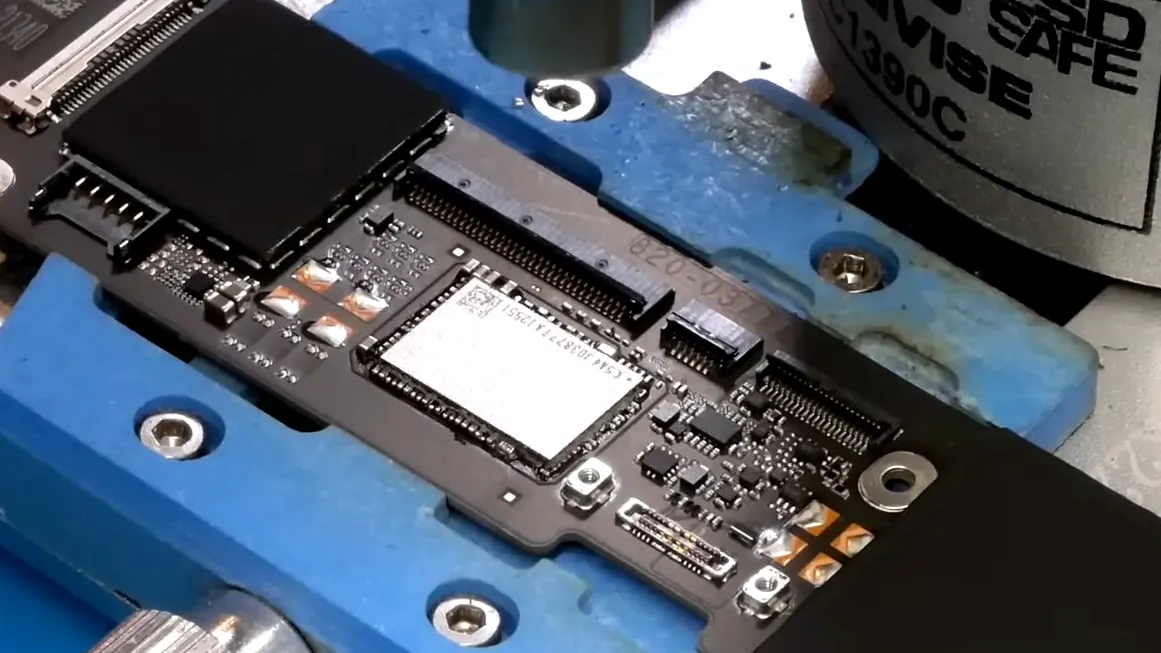
The strongest through-line across these stories is simple: premium-looking products can hide ugly tradeoffs. In the storage mod example, the original machine shipped with a 256 GB flash chip, and upgrading it to 1 TB wasn’t a matter of clicking “buy more storage” in a menu. It required electronics gear, years of experience, and the kind of steady-hand board work most people should never attempt. That’s the difference between upgradeable and theoretically modifiable.
Now compare that with the anime story. Wit Studio investigated fan complaints and confirmed that generative AI had been used for background art in part of the opening for Ascendance of a Bookworm Season 4. The season hit Japanese TV on April 4, and the studio later said the opening would be redrawn from scratch and replaced with a gen-AI-free version from Episode 2 onward. That’s not a tiny correction. That’s a visible production failure caught by the audience before the company’s own safeguards stopped it.
For console buyers, the crossover is obvious. A controller shell can look premium and still have poor molding tolerances. A dock can advertise thermal improvements and still choke airflow. A thumbstick upgrade can promise Hall Effect precision but arrive with sloppy calibration. The gap between the marketing layer and the actual build layer is where most hardware disappointment lives.
“In principle, we have not permitted the use of generative AI in anime production in our works.” That statement matters because it highlights a familiar modern hardware problem: policies sound reassuring until the supply chain or quality-control pipeline breaks.
Why this matters for PS5, Switch, and Steam Deck accessory buyers
If you’re shopping in the console accessory space, you’re rarely buying from the same company that designed the core hardware. That creates a quality-control chain with more failure points than most buyers realize. The anime case showed that outsourced or segmented workflows can let unwanted changes slip through. Accessory manufacturing works the same way. One factory molds the shell, another sources the PCB, another handles packaging, and the seller on the storefront may never have physically tested the final batch.
That’s why the smart move is comparing claims vs verifiable specs. Not branding vs branding. Claims are cheap. Measurements are not.
| Buying Scenario | Looks Good on Paper | Actual Risk | What You Should Check |
|---|---|---|---|
| PS5 controller mod kit | “Pro-level triggers” | Inconsistent actuation, fitment issues | Trigger travel, shell tolerances, install complexity |
| Steam Deck screen accessory | “Crystal clear glass” | Glare, touch sensitivity loss, haze | Surface finish, adhesive quality, anti-fingerprint coating |
| Switch dock add-on | “Improved cooling” | Airflow blockage, cable strain | Vent clearance, thermals under load, port placement |
| Storage upgrade or internal mod | “Easy DIY” | Board damage, voided warranty, data loss | Soldering requirement, firmware pairing, repairability |
That’s also why accessory ecosystems reward cautious buyers. The best PS5 accessories are the ones that solve a measurable pain point—heat, grip fatigue, charging clutter, stick drift anxiety—instead of slapping “pro” on the box and hoping you won’t ask harder questions.
Storage mod hype vs real-world upgrade risk
Here’s the counterpunch to every “just mod it” comment thread: not every storage limitation should be fixed by the end user. The 256 GB to 1 TB flash upgrade in the source story sounds awesome because the result is awesome. Quadrupling storage on a constrained device changes the whole experience. More local files, less constant deletion, better flexibility. But the process itself is the warning label.
Years of experience were explicitly part of the setup. That means this was not an entry-level swap like tossing a bigger SSD into a tool-less bay. It was advanced electronics work. In console terms, that’s the difference between applying a grip skin and microsoldering a custom board into a controller. One is a weekend upgrade. The other is a “you mess up one pad and the hardware is dead” operation.
Common mistake: people judge a mod by the finished photo, not by the failure rate. That’s backwards. You should evaluate mods by asking:
- What tools are required beyond a screwdriver?
- Is the storage or board component paired, encrypted, or firmware-locked?
- Can the device boot or function if the upgrade fails?
- Is thermal output affected after capacity increases?
Expert tip: when internal storage or flash modules are involved, capacity is only half the story. Board-level storage upgrades can introduce heat concentration or power-delivery quirks that never show up in the mod headline. On handhelds, especially, more dense storage can change local hot spots around shields and battery-adjacent areas. If nobody is measuring thermals after the upgrade, the guide is incomplete.
For Steam Deck owners, this matters just as much on the outside of the device as the inside. If you’re tuning your handheld for readability during long sessions, a steam deck anti glare screen protector is one of those rare upgrades that improves daily use without opening the chassis or gambling on a board-level install.
What the anime AI controversy teaches about accessory brands
The Wit Studio situation is bigger than one opening sequence. Fans noticed visual tells, raised the alarm, and the studio’s investigation confirmed generative AI had been used in part of the background art. Then the studio apologized, said Nam Hai had no involvement in the incident, blamed its own production management and quality control systems, and committed to revising guidelines. Cause and effect couldn’t be clearer: weak oversight creates visible quality problems, and once the audience sees them, trust drops fast.
That is almost a one-to-one match with the accessory market when brands scale too fast. The first samples are dialed in. Reviews are positive. Then production expands, a supplier changes material thickness, a PCB revision sneaks in, or finishing gets cheaper. Suddenly the product page still shows the old promise, but your unit feels worse than the review copy everyone praised.
Before vs after matters here:
- Before scale: tighter QC, fewer batches, more founder oversight
- After scale: more outsourcing, more inconsistency, more excuses
That’s why seasoned buyers look for repeatable details: does the brand publish fit compatibility by hardware revision? Do they mention analog calibration? Do they show internal structure, not just glam shots? If a seller can’t explain the difference between cosmetic customization and performance modification, you’re probably buying marketing, not engineering.
Treasure Beach and the stingy shopper problem: price wars ruin accessory value
The oddest source in the set may actually be the most useful. Treasure Beach is built around scavenging items from the sand and selling them to stingy shoppers. The core tension is margin pressure: what you find has value, but the buyer always wants a deal. Sound familiar? That’s the modern accessory market in one loop.
Consumers want premium feel at bargain pricing, and brands respond by shaving costs in the places that are hardest to spot in a product listing. Better plastics become more brittle plastics. Braided cables get thinner conductors. Trigger stops lose consistency. Adhesive-backed grips peel early because the glue budget got cut. You still get the “feature,” but not the durability.
This creates a nasty comparison trap:
- Shopper compares by price first
- Brand cuts unseen manufacturing costs to stay competitive
- Product quality drops in ways you only notice after weeks of use
- Buyer blames the entire category instead of the race-to-the-bottom build
If you’ve ever bought a cheap back-button kit that flexed under pressure or a dock attachment that scratched the shell, you’ve lived this loop already. The lesson is not “buy the most expensive option.” It’s “buy the option where the bill of materials clearly went somewhere useful.”
A practical checklist before you buy or mod anything
If you want fewer regrets and better performance, use this checklist before spending money on a mod kit, shell, stand, dock, grip, or internal upgrade:
- Check the failure mode: if the product fails, is it cosmetic, functional, or fatal to the hardware?
- Prioritize measurable gains: lower trigger travel, better glare reduction, cooler charging temps, improved ergonomics.
- Look for revision transparency: good brands tell you which model versions fit and which don’t.
- Watch for fake “easy install” language: if soldering, adhesive curing, calibration, or shell trimming is involved, it’s not beginner-friendly.
- Compare long-session comfort, not unboxing appeal: the accessory you stop noticing during a 3-hour session is usually the keeper.
- Don’t trust a single review batch: consistency across later production runs matters more than launch-week hype.
If you’re deciding what to do next, the safest path is simple. Start with low-risk, high-impact upgrades: anti-glare protection, comfort grips, charging organization, carry protection, and stick-friendly accessories that don’t require opening the device. Move to shell swaps or trigger mods only if you’re comfortable with teardown risk. Save board-level work and storage surgery for proven specialists.
FAQ
Should you attempt advanced storage mods on gaming hardware yourself?
Only if you already have real electronics repair experience. A storage jump like 256 GB to 1 TB sounds great, but board-level flash work is nothing like installing a case or thumb grips. For most users, the risk-to-reward ratio is bad unless the platform is specifically designed for easy upgrades.
How can you tell if an accessory brand has weak quality control?
Look for vague compatibility claims, inconsistent user feedback between early and later buyers, and listings that emphasize aesthetics over specs. If a seller can’t explain fitment, material quality, or install requirements clearly, that’s a red flag.
What’s the smartest first upgrade for a Steam Deck or handheld?
Usually display usability and comfort. Glare reduction, a quality protector, better grip texture, and a carry solution improve every session without adding thermal or teardown risk. Those are safer wins than chasing invasive internal mods too early.
The bigger shift here isn’t just that hardware is getting more customizable. It’s that the burden of verification keeps moving onto you. Fans caught the AI-assisted opening. A highly skilled modder proved a storage limitation could be beaten, but only with serious expertise. And the stingy-shopper dynamic keeps pushing brands toward cost cutting unless buyers push back. The next generation of great console accessories won’t just be the flashiest. They’ll be the ones that survive scrutiny from users who finally stopped taking product claims at face value.