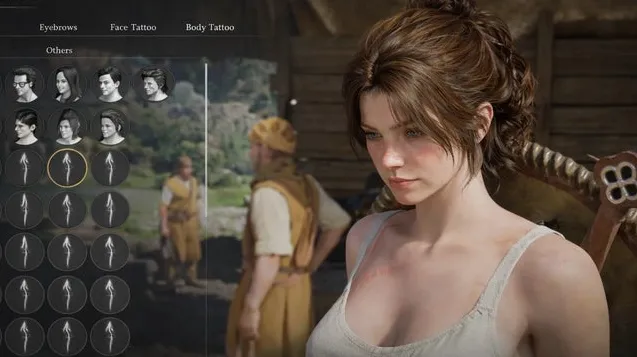
You buy a big fantasy RPG expecting to tweak a face, swap a hairstyle, and build a character that feels like yours. Then the game ships with a locked-in protagonist, limited cosmetic edits, and modders have to do the job the developer didn’t. That is the real story around Crimson Desert right now, and for anyone playing on handheld PCs or weighing accessories for long sessions, this is not just a cosmetic footnote. A detailed female character creator mod changes how players engage with the game, how long they stay in menus, how much they push texture memory, and how quickly weak hardware setups reveal themselves.
A fantasy role-playing demand that keeps colliding with hardware reality
The headline feature is obvious: players who did not want to spend dozens of hours as the default male lead now have a way to reshape the experience. The less obvious part is why this matters for hardware people. Character creation and character replacement mods are rarely “just visual.” They often add higher-detail face meshes, more hair options, altered skin materials, extra texture calls, and compatibility layers that can stack badly with reshade presets, UI tweaks, and performance tools. On a desktop with headroom, that is manageable. On a Steam Deck or any handheld running near its thermal ceiling, it can turn a stable session into stutter city.
That matters because fantasy games are uniquely brutal on portability setups. Dense environments, cloth physics, hair rendering, heavy shadows, and cinematic camera work already hammer frame-time consistency. Add a sophisticated character mod on top, and suddenly your battery drain spikes, fan noise ramps up, and 1% lows get ugly during cutscenes. If you care about ergonomics, grip comfort, and sustained performance, you should treat this mod trend as another signal that accessory choices are tied directly to whether a game remains playable after the honeymoon phase.
Expert take: Character mods look harmless because they start in the menu, but the real cost shows up in traversal, dialogue scenes, and close-up cinematics where skin shaders, hair strands, and lighting stack all at once. If your system is already sitting on the edge, one “immersive” visual mod can be the push that breaks frame pacing.
Why this mod is bigger than one game
The appeal of the Crimson Desert mod is not hard to understand. Fantasy players have always wanted stronger ownership over the hero they inhabit. That is why games with deep creators build communities that survive for years. When a title skips that system, modders rush in to patch the gap. The current buzz also connects to a wider fantasy moment in entertainment: dark comedy gets rediscovered, horror books keep feeding gothic and medieval aesthetics back into gaming culture, and players want character identity to match the mood they are chasing. If the official release gives you only a narrow lane, the mod scene will try to widen it.
That demand has consequences for the accessory market. The more players customize, the more they spend time in interfaces, camera mode, screenshot capture, and long-form sessions instead of hopping in for quick missions. That shifts what matters. Back-button attachments, precision thumb grips, better cooling docks, and low-latency controllers become more valuable than flashy RGB fluff. If you are setting up a portable rig for fantasy RPGs, your priorities should look different from someone chasing a competitive shooter loadout.
There is also a platform divide. PS5 players can watch the mod discourse from the sidelines, but Steam Deck users and handheld PC owners live in it. They are the ones balancing TDP caps, shader cache behavior, VRAM pressure, and controller comfort while trying to enjoy the same creativity desktop players take for granted. That is where buying smart accessories actually matters more than buying more accessories.
The hidden performance costs most players notice too late
The first trap is assuming average fps tells the whole story. It doesn’t. A fantasy title can report a decent average and still feel rough because character-heavy scenes crush frame-time consistency. Hair is a repeat offender. So are skin materials, face close-ups, and dense cloth layers. If the female character creator mod introduces richer facial detail or alternate textures, your handheld may not fully collapse, but it can start delivering that annoying micro-stutter you feel every time the camera cuts in tight.
The second trap is storage and loading behavior. Modded RPG installs get bloated fast. Once you pile on texture packs, custom presets, and compatibility fixes, slower microSD setups become a bottleneck. That is one reason serious handheld users lean toward faster internal storage for demanding fantasy games. Even if the base game runs fine, modded asset streaming can expose the difference between “playable” and “I’m tired of waiting.”
Expert take: If you are testing a new mod on a handheld, don’t benchmark only in open fields. Check hubs, indoor torch-lit scenes, dialogue close-ups, and fast travel re-entry. Those are the moments that expose thermal saturation, VRAM pressure, and weak storage performance.
And yes, controls matter more than people admit. Character-driven fantasy games are slower than shooters, but they are not low-input games. You spend hours managing camera movement, radial menus, mount control, item sorting, and lock-on combat. A stock handheld can get fatiguing in marathon sessions, especially when you are tweaking settings as much as you are actually playing. That is where grips, thumbstick caps, and a better stand stop being optional fluff and start becoming quality-of-life upgrades.
What accessory buyers should actually do with this information
If Crimson Desert and similar fantasy games are your lane, build around sustained play, not launch-week hype. Start with thermal management. A decent dock or cooling solution matters because modded games often push your device harder over time than vanilla builds do. Next, prioritize storage speed and comfort. If you are using a Steam Deck, moving your most demanding RPGs to the faster drive tier is usually smarter than filling a slower card with every texture-heavy install you own. Then fix ergonomics: grips and stick caps can reduce fatigue dramatically when your session turns into a three-hour quest chain plus forty minutes of menu tinkering.
For Switch users, the lesson is a little different. You are not loading this same mod ecosystem, but the wider trend still matters because fantasy games keep nudging players toward longer sessions and more comfort-focused setups. If you are refreshing your loadout for portable role-playing games, a practical starting point is browsing dependable Nintendo Switch accessories that improve grip, carry protection, and charging flexibility rather than chasing novelty add-ons that look good in a thumbnail and feel awful after an hour.
The smart move is to test your setup like a pessimist. Lower one demanding setting before you think you need to. Cap fps for consistency instead of chasing a headline number. Watch your temps after thirty minutes, not three. If a new character mod makes your game feel more personal but your controls feel worse and your frame pacing tanks, the right answer is not to pretend you can live with it. Tune the hardware side until the fantasy actually feels good to play. Because that is the broader takeaway from the Crimson Desert moment: when players are handed more freedom over character identity, the accessory and performance questions get sharper, not smaller.