You can feel it the second a competitive game asks for fast inputs, clean menu navigation, and zero tolerance for hesitation: hardware flaws stop being background noise and start costing you matches. That is why the early reaction to Pokémon Champions matters far beyond one free-to-start release. Critics are not just arguing over battle systems or onboarding. They are exposing a familiar pain point for Switch players and, by extension, a bigger conversation about controller reliability, input precision, and why some games instantly reveal weak hardware habits you have been ignoring.
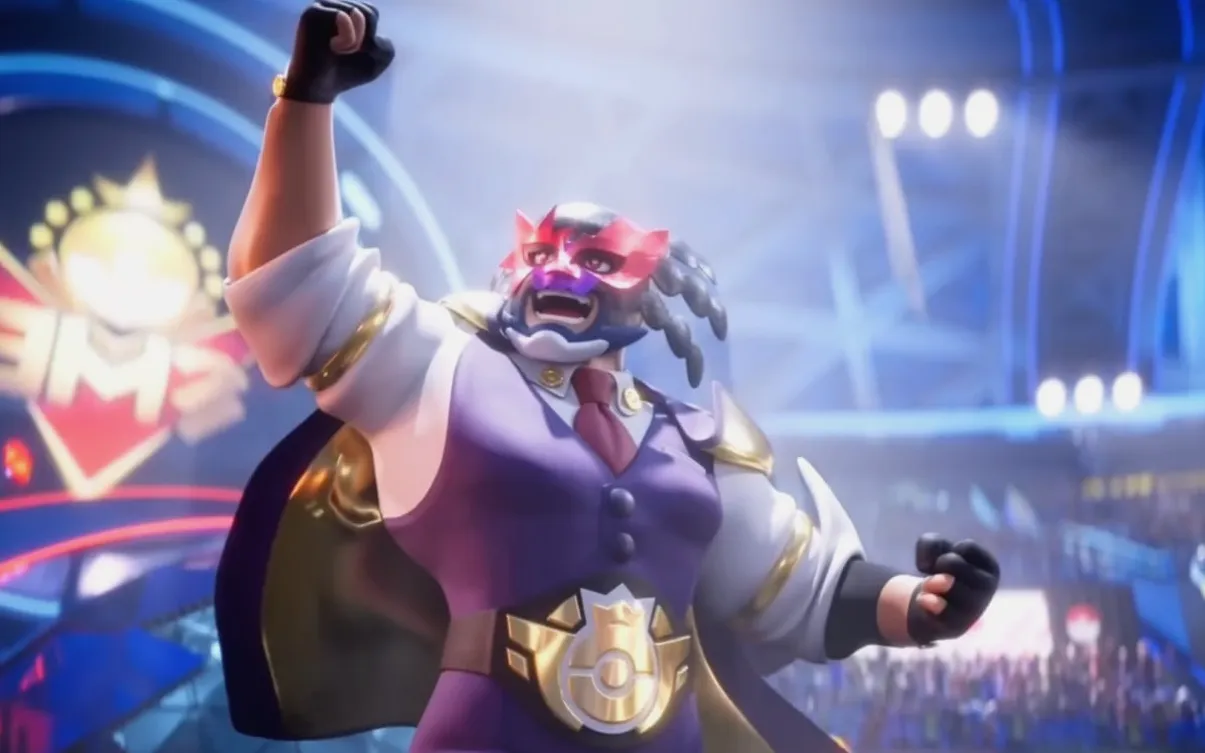
A review roundup that says more than scores
The broad critical read on Pokémon Champions is unusually revealing. The game has been framed as accessible, immediate, and clearly built to lower the barrier for players who want competitive Pokémon without wading through the slower, more sprawling structure of a traditional RPG. That part is the hook. The problem is that “accessible” and “frictionless” are not the same thing. When critics describe a game as approachable but flawed, what they are really mapping is the distance between a strong idea and the moment-to-moment experience of actually playing it.
Several early critical impressions converge on the same tension: Pokémon Champions makes battling easier to reach, but not always more satisfying to live with over long sessions.
That gap matters for hardware buyers because battle-first games magnify every micro-annoyance. A drifting stick that feels manageable in a slower adventure title becomes a menu-selection nightmare when you are toggling moves, selecting targets, or adjusting team options under pressure. A mushy D-pad that was merely “fine” in casual play starts to feel sloppy the minute precision matters. If you have ever blamed yourself for a bad input, only to realize your thumbstick returned off-center again, you already know the real enemy is often sitting in your hands.
Why critics and competitive players notice the same weakness fast
One reason this launch has sparked debate is simple: battle-centric games strip away the usual distractions. There is no massive open world to admire, no cinematic padding to smooth over repetition, no hundred-hour quest line to make rough edges easier to excuse. The loop is exposed. So is your controller. That is also why weirdly unrelated internet stories catch fire around the same time. A viral YouTuber struggling through Red Dead Redemption 2 at 4 FPS became a meme because everyone understands the core joke: once responsiveness collapses, the game itself changes. It stops being about design and starts being about endurance.
That same principle applies on a smaller but more important scale with console accessories. You do not need performance to crater to 4 FPS for responsiveness to become the whole story. In competitive games, the threshold for “bad enough to matter” is much lower. Minor stick wobble. Inconsistent recentering. Uneven trigger feel. Tiny defects stack up. Suddenly your accessible battle game feels harsher than expected, and you start seeing why critics can agree on a concept while splitting on the experience.
The hidden cost of “good enough” controllers
Players in the Switch, PS5, and handheld mod scene already understand this better than mainstream coverage usually does. The industry keeps selling convenience while enthusiasts keep repairing around it. Hall effect upgrades, tighter modules, clickier buttons, shell swaps for ergonomics, taller stick caps for finer aim arcs—none of that exists because gamers are bored. It exists because stock hardware too often lands at “acceptable” instead of “trustworthy.” If a game like Pokémon Champions leans on repeat sessions, team experimentation, and constant menu interaction, then stock wear becomes part of the user experience faster than Nintendo, Sony, or third-party pad makers would like to admit.
Recommended Gear: if your Switch or multi-platform controller is already showing centering issues, a GuliKit hall effect joystick upgrade is one of the few mods that tackles the root problem instead of masking it with deadzone tweaks.
What this launch says about the accessory market right now
There is another layer here, and it lines up with broader hardware trends. Players are becoming less patient with invisible friction. You see it in patch culture too. When a game like Crimson Desert rolls out updates adding skills, display toggles, and even making a controversial fast-forward feature faster, the subtext is obvious: users expect systems to respond to how they actually play, not how designers first imagined they would. That expectation spills straight into hardware. Gamers are no longer content with vague promises of comfort or premium feel. They want measurable gains—less drift, lower latency feel, stronger recentering, better grip texture, more stable travel, less fatigue over long sessions.
The accessory market is shifting from cosmetic customization to performance correction. That is a huge difference, and competitive games accelerate it.
For Switch owners, this is especially relevant because Nintendo’s platform attracts players who bounce between casual and high-focus use cases. One day you are coasting through a cozy title. The next day you are trying to optimize turn sequencing in a battle game where one wrong directional tap wastes time and concentration. When a review cycle highlights flaws in the game experience, smart readers should ask a second question: how much of that friction is software, and how much is the pad I have been tolerating for months?
The strange lesson from unrelated headlines
At first glance, stories about cloud storage hacks or a Cold War bunker under a medieval castle seem completely disconnected from a Pokémon battle release. But they point to the same editorial lesson: the surface story is rarely the whole story. The Google Drive piece is really about squeezing more life out of limited space. The medieval bunker discovery is really about hidden infrastructure beneath a familiar landmark. Translate that to console gear and the pattern becomes obvious. Under every “mixed reviews” conversation sits infrastructure—your controller modules, your deadzones, your grip fit, your tolerance for wear, your willingness to mod instead of replace.
That is the part many critics mention indirectly but accessory enthusiasts hear immediately. A game can be criticized for lacking depth, elegance, or long-term appeal, and all of that may be fair. But if the title is also exposing hardware weaknesses you have normalized, then your setup is part of the verdict. Harsh? Maybe. Accurate? Absolutely. Why keep grinding on gear that introduces uncertainty into every match?
The practical move if you play battle-heavy games
If you are spending serious time in menu-driven competitive titles, prioritize input consistency over flashy add-ons. Start with your weakest link. Test for drift by releasing the stick gently from multiple directions and watching for off-center return. Check whether diagonal inputs feel symmetrical. Pay attention to whether thumb fatigue sets in because your shell shape forces awkward angles during repeated selections. If you are on PS5 and your controller already feels inconsistent, a hall effect joystick PS5 swap can be a smarter investment than buying another stock pad that may develop the same problem again.
The bigger takeaway from the Pokémon Champions review cycle is not simply that critics are divided. It is that streamlined competitive games have a nasty habit of revealing every compromise in your setup. They are brutally honest like that. A free-to-start battler can look low-stakes from the outside, but once the loop gets under your skin, your hardware either disappears in the best way or constantly reminds you it is the bottleneck. If you want cleaner sessions, fewer accidental inputs, and less frustration masquerading as game criticism, stop treating controller quality as an afterthought. The next battle-first release will judge your hardware even faster.