How Installation Difficulty Gets Measured
When people say a controller shell swap is “easy” or “hard,” they are usually blending several separate factors into one feeling. To compare OEM plastic shells and third party metal kits in a way that stays practical, it helps to break difficulty into a few measurable pieces that show up during real installs.
Fit and tolerance behavior tends to be the biggest driver. A shell that matches the original internal geometry will let the PCB, triggers, and button membranes sit down without persuasion. When tolerances are off by even a small amount, the job turns into repeated open close cycles, where parts get re-seated, screws get backed out, and small plastics like clips start to fatigue.
Fastener and clip design is the second piece. OEM plastic shells normally use the same screw lengths and clip geometry the controller was designed around. Metal kits often change how the shell halves meet, sometimes using different screw heads, different thread engagement, or decorative hardware that looks great but is less forgiving if it is started at an angle.
Tooling requirements matter more than most guides admit. Many swaps are “simple” only if the right bits are already on hand, plus a spudger, tweezers, and a tray for screws. The moment a kit includes tiny hex hardware, thread locker, or adhesive backed trim, the work becomes slower and more error prone for anyone without a bench-style setup.
Risk of functional regressions is the real cost. The goal is not just to close the controller. The goal is to keep analog stick centering consistent, preserve trigger travel, avoid pinching ribbon cables, and keep all buttons returning crisply. A shell that is slightly too tight around a trigger pivot can create a sticky feel that looks like a bad trigger spring, even though the spring is fine.
Finally, rework and troubleshooting overhead should be counted. A swap that takes 45 minutes when everything aligns can turn into a two hour project if the first assembly produces squeaks, rubbing, or a button that does not register. Install difficulty is not only the first build, it is also how painful it is to correct mistakes without causing new ones.
OEM Plastic Shells vs Metal Kits, What Changes in Practice
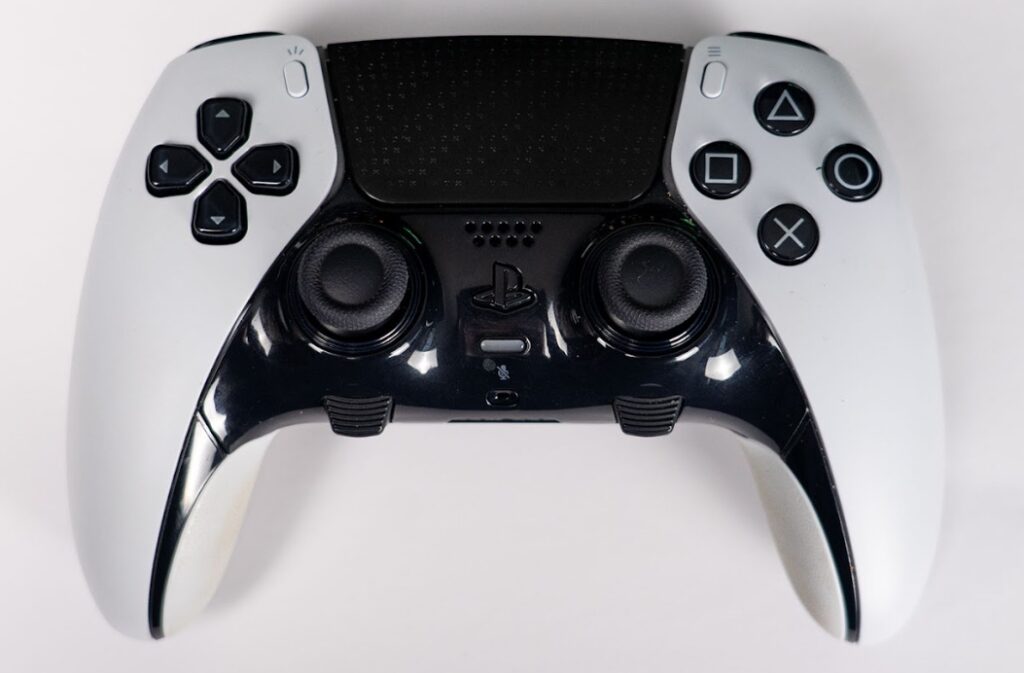
OEM plastic shells are typically the closest match to the controller’s original mechanical assumptions. That sounds abstract, but it shows up in concrete ways during assembly.
With OEM plastic shells, the internal posts, standoffs, and guide rails usually line up so the PCB drops into place and the screw holes accept the original screws without cross-threading. Plastic also has a little compliance, meaning it can flex a touch while parts settle. That small flex often prevents the “one screw hole is half a millimeter off” situation that stops progress cold. Clip engagement is also predictable. When the halves close, the seam tends to snap in with even pressure along the edge, rather than needing localized force that can crack tabs.
OEM-style shells also tend to keep the original button feel. Face buttons and D-pad actuation depend on the stack-up of the shell height, membrane thickness, and button cap travel. When those dimensions stay close, the controller feels normal right away. If anything does feel wrong, it is usually obvious and fixable, like a mis-seated rubber membrane.
Third party metal kits are a different experience, even when they are well made. Metal changes the build in at least four important ways.
First, tolerance and rigidity behave differently. Metal does not flex like plastic, so alignment has to be correct earlier in the process. If a shoulder button bracket is slightly out of position, the shell may still close, but it can press on parts that were never meant to carry load. That is where subtle issues come from, including creaking, uneven seam gaps, or triggers that do not return smoothly.
Second, metal shells introduce weight and inertia, and that can influence how internal parts feel. The shell itself is not moving during button presses, but the added mass can make small noises more noticeable and can amplify any minor rubbing. A small contact point that would be ignored in plastic can sound like a scrape in metal.
Third, metal kits often include extra pieces. Many sets ship with metal buttons, decorative rings, replacement bumpers, or alternate screws. Each extra part adds decision points during assembly. If the kit includes both OEM-style buttons and metal buttons, for example, the installer may need to test-fit both because tolerances vary, and the “correct” choice depends on the specific controller revision and how tight the shell sits.
Fourth, metal kits can complicate thread behavior. Screws into plastic posts are forgiving as long as the screw finds its path. Screws into metal inserts or metal threads can bind if started crooked. If a kit uses softer alloy hardware, stripping becomes a real concern. If it uses harder screws, over-tightening can crack surrounding plastic internal frames that were never designed to be clamped that hard.
Instruction quality also tends to differ. OEM swaps are widely documented and match teardown videos step by step. Metal kits vary by brand, and some provide only basic diagrams. That is not fatal, but it raises the skill floor because the installer needs to recognize what “looks right” without constant guidance.
Best Use Cases and Real Limitations
OEM plastic shells are usually the best fit for people who want a predictable install and minimal surprises. They shine in situations like these.
- A controller that is being repaired after a drop, where the goal is to restore original ergonomics quickly.
- A first time shell swap where the installer wants a high chance of success on the first reassembly.
- A controller used for competitive play, where consistent button and trigger feel matters more than visual impact.
The limitation is that OEM style plastic does not fundamentally change the tactile experience. It can refresh a worn controller and improve grip if the finish is different, but it will not deliver the “premium cold-to-the-touch” feel that metal enthusiasts want. Also, some OEM shells are not actually sold as service parts, so availability can be uneven and pricing can jump.
Third party metal kits make sense when the primary goal is a material upgrade and visual differentiation. They are commonly chosen for display builds, themed setups, or collectors who enjoy the craft aspect of modding. Metal can also improve perceived rigidity, and some people like the extra heft because it feels substantial.
The honest limits of metal kits are mostly mechanical and practical. - Thermal behavior can surprise people. Metal can feel cold initially, then warm up quickly in hands. In a hot room it can feel slightly slick if hands sweat. This does not ruin usability, but it is different.
- Wireless performance is usually fine because most controllers use internal antenna layouts designed with plastics in mind, yet a poorly designed metal backplate could theoretically influence antenna efficiency depending on how shielding and spacing are handled. This is not common, but it is part of the risk profile.
- Long-term wear can show up at contact points. If a metal edge rubs a plastic trigger piece, the plastic tends to lose that fight over time.
- Warranty and serviceability is less friendly. Once a controller is modified, vendor support may be limited, and future repairs can be harder if nonstandard screws or adhesives were used.
A subtle limitation is that many controllers have revision differences that look identical from the outside. A kit that fits one revision perfectly can be slightly off on another, and metal does not “forgive” those small differences the way plastic can.
A Simple Decision Framework That Avoids Regret
A good decision is less about brand loyalty and more about matching the shell to the installer’s constraints. A practical framework can be built around five questions.
How much rework tolerance exists
If the controller is needed for daily play and downtime is expensive, OEM plastic is the safer lane. Metal kits can be successful, but they are more likely to require repeated test fits.
What tools and workspace are actually available
If the setup is a kitchen table with one screwdriver, keep the project within OEM style complexity. If the setup includes a bit set, magnet tray, tweezers, a spudger, and good lighting, metal becomes more realistic.
How sensitive is the user to feel changes
If even small changes in trigger travel or button sound are distracting, stay closer to original materials and geometry. Metal often changes acoustics and perceived stiffness.
Is the goal cosmetic, tactile, or durability
For cosmetics, both work. For tactile changes, metal wins on “premium feel” but can lose on comfort for long sessions depending on grip and temperature. For durability, it depends. Metal can resist scratches in some finishes, but paint and anodizing can still wear, and internal plastic parts are still the weak link.
How comfortable is the installer with troubleshooting
Troubleshooting a shell swap often means opening the controller back up to check seating, inspect for pinched cables, and confirm membrane alignment. If that sounds frustrating, choose the path that is more likely to work the first time.
A useful scoring approach is to rate both options from 1 to 5 in categories that reflect real pain points.
- Fit predictability
- Tool complexity
- Risk of button or trigger issues
- Time to first successful assembly
- Ease of future servicing
In many cases, OEM plastic scores higher on the first four, while metal sometimes scores higher on tactile satisfaction and aesthetics.
Recommended Path and a Low-Risk Installation Plan
For most potential buyers who want a clean result without turning the project into a hobby, the best overall path is usually an OEM plastic shell first, then a move to metal only after the process feels familiar. This sequence reduces risk, builds skill, and keeps the controller playable throughout.
A low-risk plan looks like this.
Start with pre-checks that prevent avoidable failures. Confirm the exact controller model and revision when possible. Set expectations that screw lengths may differ, and mixing them can crack posts or create bulges. Prepare a clean surface, sort screws by location, and take photos during disassembly. Photos sound basic, but they eliminate “where did this bracket go” moments that slow everything down.
Use a test-fit mindset instead of forcing closure. During reassembly, parts should settle with gentle pressure. If a seam needs strong squeezing at one corner, something inside is likely misaligned. Common culprits include a shoulder button spring not seated, a trigger not on its pivot correctly, or a ribbon cable routed over a standoff.
When choosing between OEM plastic and metal, treat the first build as a way to control variables.
- If OEM plastic is selected, keep as many original internals as possible. Reuse original buttons and membranes unless they are worn, because the shell is already the big change.
- If a metal kit is selected, avoid stacking multiple “tolerance changes” at once. For example, consider using the metal shell with original buttons first, then swap to metal buttons only after the shell itself feels correct.
Plan for verification steps before fully tightening screws. Install screws loosely at first, then tighten gradually in a cross pattern so the shell seats evenly. Over-tightening is a frequent cause of squeaks, stuck buttons, and stress cracks, especially around posts. “Snug” is usually enough. If a kit includes different screws, use only what the kit specifies, and do not assume longer is better.
After assembly, run a quick functional check that focuses on the areas most affected by shell changes. - All face buttons return freely and do not bind at the edges
- D-pad rocks cleanly in all directions without sticking
- Bumpers click consistently on both sides
- Triggers travel smoothly and return without delay
- Analog sticks do not rub the shell at full deflection
If any of these fail, the safest fix is to reopen immediately and correct the mechanical seating. Continuing to play and “break it in” rarely solves rubbing or binding, it more often wears parts.
For buyers who still want the metal look and feel, a practical compromise is to choose a metal kit from a vendor that provides clear revision compatibility notes and includes spare hardware, then schedule the install when there is time for careful test fitting. That approach turns the metal kit into a controlled project rather than a stressful last-minute swap.