You can feel the split in gaming right now: one minute players are chasing a five-minute daily brain teaser, the next they are debating whether an ultra-hardcore extraction raid is simply too punishing to be worth the prep cost. Then, hanging over everything, there’s the slow-burn uncertainty of a major release window that may or may not slip. If you buy console accessories based on the games you expect to play next, this matters more than it sounds.
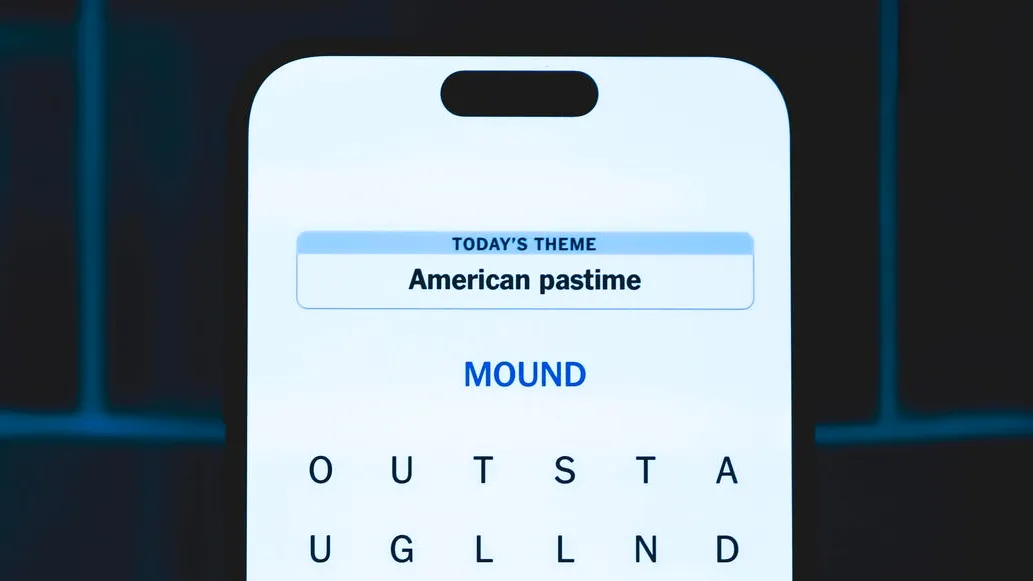
This week’s signal is clear: players are rewarding low-friction engagement and getting more skeptical of high-commitment promises. That affects not just game discourse, but the hardware add-ons people actually buy for PS5, Switch, and Steam Deck. A daily puzzle craze, fresh chatter around Fable’s release timing, and community pushback on Marathon’s toughest raid all point to the same buyer behavior shift: people still want depth, but they increasingly want faster access, less setup pain, and clearer value.
The quick signal: three very different stories, one hardware trend
- Daily puzzle traffic keeps proving that short-session play wins attention. That matters for handhelds, portable ergonomics, and quick-resume-friendly setups.
- Fable’s release conversation shows how fragile future-proof buying can be. If a tentpole slips from one year to the next, accessory purchases tied to hype often get delayed too.
- Marathon players are asking for less friction around endgame access. Not easier in the cheap sense—just more practical onboarding, smarter loadout prep, and less rebuild fatigue.
Those stories are not identical. But together, they tell you something useful if you cover gaming hardware seriously: the market is leaning toward accessories that reduce effort. The add-on that saves ten seconds per session, cuts glare on a handheld, improves grip in long raids, or streamlines input consistency is suddenly easier to justify than the flashy premium extra you only use once a month.
Why the Marathon debate matters beyond Marathon
The loudest conversation here is around Marathon and its ultra-hardcore raid design. The core complaint is not that players hate challenge. The real issue is stacked friction: high entry requirements, expensive loadout thresholds, punishing loss conditions, and the annoyance of rebuilding a viable kit over and over.
That kind of design creates a very specific hardware effect.
- Longer prep loops increase demand for comfort gear. If you spend hours learning routes, inventory flow, and exfil timing, you start noticing hand fatigue, stick wear, trigger tension, and thumb grip slip fast.
- High-stakes sessions make input consistency more valuable. A mushy trigger pull or worn thumbstick feels way worse when one failed fight wipes your run.
- Inventory-heavy, repeat-heavy games spotlight setup convenience. Players start caring more about docked charging, grip shells, back-button comfort, and handheld screen readability.
The community suggestions are revealing too. Players are floating ideas like a free weekly starter loadout, easier one-click kit rebuilding, and pre-made gear setups. That tells you the problem is not “casuals don’t want hardcore content.” The problem is that busy players hate repetitive admin. If your game asks for hardcore commitment, every extra layer of loadout housekeeping feels like a tax.
And yes, that has direct hardware relevance. Accessories that cut physical and mental friction become more attractive when the game itself is already demanding. Why would you tolerate a slippery handheld, a glare-heavy screen, or cramped back-button reach in a game that already eats attention for breakfast?
The accessory takeaway from extraction-shooter fatigue
- Grip-first design beats flashy aesthetics. Texture, palm support, and button access matter more than color matching when stakes are high.
- Readable screens matter in tense sessions. If you play portable under mixed lighting, reflections are not cosmetic—they are lost information.
- Reliable charging and cable routing matter for marathon sessions. Nobody wants battery anxiety while learning a punishing endgame loop.
💡 Related gear check: If you’re grinding long handheld sessions and playing in bright rooms, a steam deck anti glare screen protector is one of those upgrades that sounds minor until reflections start hiding UI detail during a crucial fight.
Fable’s release chatter is a warning for accessory buyers
The Fable story hits a different nerve. Officially, the game has a release window, but now there’s renewed chatter about whether it could drift further out. That kind of uncertainty always spills into hardware shopping.
Here’s the trap a lot of buyers fall into: they plan accessory purchases around a future game rather than around their actual current play habits. If you expected a big fantasy RPG next year, you might start eyeing a premium controller, headset, storage add-on, or comfort kit now. But if that release slides, your purchase logic changes overnight.
- Hype-driven accessory purchases are the first to stall when release windows wobble.
- Cross-game utility becomes more important than title-specific excitement.
- Modular accessories hold value better than niche tie-in buys.
This is especially relevant on PS5. Buyers often justify a new pro-style pad, faceplate refresh, or charging dock because a huge single-player exclusive is “coming soon.” But “soon” in modern game development can stretch hard. If the date slips by six months or a full year, that purchase starts looking less urgent unless it improves games you already play weekly.
So the smart move? Buy for your rotation, not for a trailer calendar. If your current lineup is shooters, extraction games, puzzle sessions, and portable catch-up play, prioritize accessories that improve those use cases now. A premium purchase tied to a speculative release window is usually weaker value than an upgrade that fixes an everyday annoyance.
What release uncertainty does to demand
- Controllers with broad compatibility stay safer buys.
- Comfort accessories outperform cosmetic-only upgrades during quiet release gaps.
- Storage and power accessories remain resilient because they solve ongoing problems, not future promises.
That last point matters. Release uncertainty does not kill accessory spending. It redirects it. People stop buying the “celebration” accessory and start buying the “I’m tired of this annoyance” accessory.
Why daily puzzle traffic matters to handheld hardware
At first glance, a daily word puzzle and a hardcore extraction raid live on different planets. But from a behavior standpoint, they connect neatly. Daily puzzle engagement proves that a huge chunk of players value repeatable, low-friction rituals. Quick access. Clean UX. Minimal commitment. Immediate payoff.
That same preference is bleeding into hardware expectations.
- Portable systems benefit when games fit into small windows.
- Players increasingly judge hardware by pickup-and-play smoothness.
- Accessories that reduce setup hassle gain appeal across casual and hardcore audiences.
If you use a Steam Deck or Switch as a “between everything else” machine, you notice these details quickly:
- Does the grip let you settle in instantly?
- Can you read the screen without shifting your seat every two minutes?
- Does your travel case add bulk that makes quick sessions less likely?
- Do your thumbsticks feel precise even when you only have 15 minutes?
That is why shorter-session gaming is not some side topic. It is shaping hardware expectations from the bottom up. Players want devices and accessories that respect fragmented time. Hardcore gamers want that too, even if they won’t always say it out loud. Who enjoys spending half their session fighting glare, charging issues, or awkward hand position?
The deeper pattern: friction is becoming the deciding factor
If you strip away the genre differences, the signal from these stories is brutally simple:
The less predictable the release calendar gets, and the more demanding some live-service games become, the more buyers focus on accessories that remove friction from the games they can play right now.
That’s the real trend line.
For PS5 players
- Performance comfort matters more than shelf appeal. A controller upgrade should improve trigger feel, stick precision, rear input access, or charging convenience—not just look expensive.
- Single-game hype is a weak buying trigger. If Fable-style uncertainty is becoming normal across big releases, broad utility wins.
- Long-session ergonomics are back in focus. Demanding games expose weak grips and fatigue fast.
For Steam Deck and handheld players
- Screen readability is a quality-of-life multiplier. It affects every genre, from daily puzzles to extraction shooters.
- Weight balance and grip texture matter more as sessions get longer.
- Quick-access accessories beat fiddly premium extras. The accessory you actually use every day is the one that earns its keep.
For Switch users
- Short-burst gaming still drives a lot of real-world use.
- Portable-first add-ons stay relevant even when major release talk dominates headlines.
- Easy maintenance and durable shells remain underrated because they preserve daily usability.
A practical buying playbook for the next few months
If you want one clean strategy from all this, here it is: buy accessories that solve friction you felt this week, not fantasy problems tied to unreleased games.
- If you are playing stressful high-stakes games: prioritize grip, trigger consistency, back-button reach, and charging stability.
- If you are playing in short daily bursts: prioritize instant comfort, portability, and screen clarity.
- If you are tempted by a big purchase because of a future release: ask yourself whether you would still want it if that game slipped a year.
That simple test eliminates a lot of bad buys.
An expert-level rule I keep coming back to: the best accessory purchases usually remove a repeated micro-annoyance. Not the dramatic problem. The tiny one that keeps showing up. The thumb fatigue after 40 minutes. The glare streak across dark scenes. The cable that always bends the wrong way. The loadout session that feels longer because your setup is uncomfortable. Stack enough of those together and performance drops, patience drops, and playtime drops.
Meanwhile, the accessory that fixes one of those issues pays you back constantly.
Where the market seems to be heading
Expect more demand around:
- Ergonomic controller mods and grip upgrades
- Anti-glare and screen-protection accessories for handhelds
- Charging docks and power solutions that simplify repeat play
- Storage and carry accessories that support real daily use
- Low-maintenance, high-durability add-ons over novelty gear
Expect weaker momentum around:
- Purely hype-driven purchases attached to uncertain release windows
- Cosmetic-first buys with no comfort or usability upside
- Accessories that add setup complexity instead of removing it
That is the interesting part of this week’s gaming cycle. A daily puzzle, a maybe-delayed RPG, and a brutally hardcore raid all land on the same hardware lesson. Players still want challenge and spectacle, but they are increasingly spending money where the experience feels smoother, faster, and more under control.
If you’re shopping smart, that’s your edge too. Buy the accessory that makes tonight’s session better—not the one that only makes sense if next year’s roadmap stays perfect.