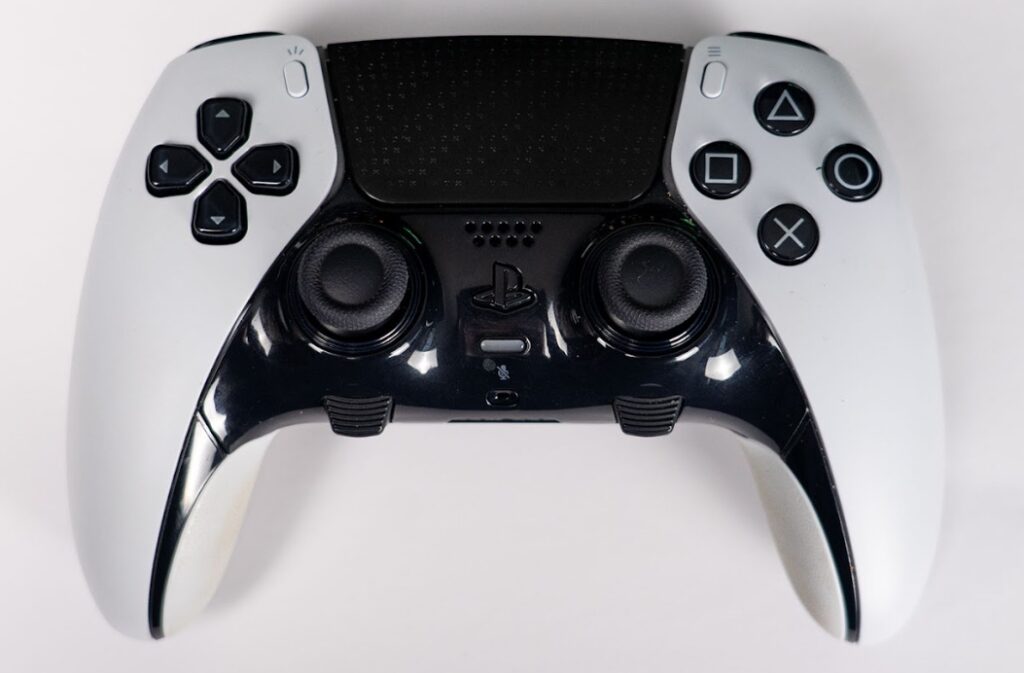
Understanding the Core Concept of Custom Shell Replacement
The process of replacing a controller shell involves much more than simply snapping on a new cover. It requires a complete disassembly of the original hardware, removing the internal circuit boards, batteries, and vibration motors, and then carefully reassembling them inside a third-party housing. This practice has gained considerable traction among owners of Nintendo Switch and PlayStation 5 consoles who wish to personalize their gear or repair damaged units. Unlike applying a skin or sticker, a shell swap fundamentally alters the physical chassis of the device, demanding a higher level of technical proficiency and patience. The core appeal lies in the ability to transform the look and feel of a standard controller into something unique, often utilizing transparent materials or custom color schemes that are not available through official manufacturer channels.
Analyzing the Underlying Mechanics of Controller Assembly
To successfully execute a shell swap, one must appreciate the intricate engineering that goes into modern game controllers. Manufacturers like Sony and Nintendo utilize a combination of plastic clips, adhesive, and specialized screws to secure the housing. The Nintendo Switch Joy-Con, for instance, relies heavily on delicate plastic rails and small Phillips or Y-type screws that require precision drivers to remove without stripping. The PlayStation 5 DualSense controller presents a different challenge with its complex trigger assembly and haptic feedback motors, which are tightly integrated into the shell structure. Understanding these mechanical principles is crucial because the tolerances are often extremely tight. A replacement shell must replicate these internal geometries with high accuracy. If the mold is not precise, the motherboard might not sit flush, or the ribbon cables could be pinched during reassembly, leading to malfunction.
Identifying Key Features and Establishing Quality Benchmarks
When evaluating replacement shells, several critical features distinguish a high-quality product from a subpar one. The material composition is the primary factor. Original equipment manufacturers typically use high-grade ABS plastics or polycarbonate blends that offer a specific balance of rigidity and slight flexibility. Inferior aftermarket shells often use cheaper plastics that feel brittle, greasy, or overly rigid. A key indicator of quality is the surface finish. A good shell should have a matte texture that resists fingerprints and sweat, similar to the original finish. Furthermore, the fit and finish of the button cutouts are essential. If the holes for the analog sticks or face buttons are too tight, the inputs will feel mushy or unresponsive. If they are too loose, the buttons will rattle. Establishing a benchmark for quality involves checking for sharp molding seams, known as flash, which can make the controller uncomfortable to hold during extended gaming sessions.
Exploring Practical Application Scenarios and Value
The motivation for undertaking a shell swap usually falls into three distinct categories. The first is aesthetic customization. Gamers often desire a transparent “Crystal” shell to showcase the internal electronics, or they want a colorway that matches their personal setup or favorite game theme. The second scenario is repair and restoration. Controllers are subject to wear and tear. The analog stick rubber may degrade, or the shell might crack from a drop. Replacing the shell provides a cost-effective way to salvage a functional controller that has cosmetic damage. The third scenario is hygiene and maintenance. Over time, the texture of standard controller shells can degrade and become sticky due to the accumulation of sweat and oils. A fresh shell can restore the device to a like-new condition, improving the tactile experience for the user. The value derived here is twofold. It extends the lifespan of the hardware and provides a sense of ownership and personalization that buying a new off-the-shelf unit cannot match.
Clarifying Common Misconceptions and Advanced Learning Paths
A prevalent misconception among beginners is that a shell swap is a quick and easy process similar to changing a phone case. In reality, it is a delicate operation that carries the risk of permanently damaging the controller. One specific area of confusion involves the use of adhesives. Some replacement shells come with pre-applied adhesive strips, while others require the user to transfer the adhesive from the old shell or apply new glue. Failing to secure the adhesive properly can result in shell separation or rattling. Another common issue involves the loss of haptic feedback or trigger sensitivity in PS5 controllers after reassembly, often caused by improper placement of the vibration motors or ribbon cables. For those looking to advance their skills, the next step involves learning to solder. This allows for the replacement of joystick modules, which addresses the common issue of drift, and the installation of custom LED lighting kits. Mastering these skills transforms a simple shell swap into a comprehensive controller modification project.