You buy a game once, expect to stream it wherever you want, and then a platform quietly changes the rules. Or a major studio gets hacked again right as hype for its biggest release spikes. Or the hardware pipeline behind next-gen computing tightens because a material most players have never heard of suddenly becomes a choke point. Weird week? Definitely. Random headlines? Not really.
The real pattern is bigger: gaming access is getting more fragile at the exact moment hardware ecosystems are becoming more dependent on unstable supply chains, third-party services, and always-online infrastructure. If you play across Switch, PS5, and Steam Deck, this matters more than another generic accessories roundup ever will.
This is the quick-hit trend report console and handheld players actually need: what changed, why it matters, and where your setup is vulnerable.
The trend line: control is shifting away from the player
Several recent developments look unrelated on the surface, but they point in the same direction. Your games, your saves, your cloud access, even the future cost and availability of gaming hardware are increasingly shaped by systems you do not control.
- Cloud ownership is getting shakier: one streaming platform is ending support for third-party game purchases and subscriptions, and users will lose streaming access to purchased third-party games on that service.
- Big studios remain security targets: Rockstar confirmed another hack, even if it says only a limited amount of non-material company information was compromised.
- The chip pipeline is under pressure: advanced packaging demand tied to AI is exposing shortages in ABF, a critical material used in semiconductor packaging.
- Platform experimentation keeps accelerating: from strange food-and-brand mashups to offbeat game concepts like a horror life sim with Zelda-like energy, companies are chasing attention and differentiation hard.
For accessory buyers and hardware tinkerers, that all translates to one blunt takeaway: local performance, physical control, and repairability are gaining value again.
Cloud gaming just reminded everyone what “ownership” really means
The biggest immediate warning sign for players is the cloud gaming shift. If a platform stops supporting third-party purchases and subscriptions, and users lose streaming access to games they already bought through those third-party channels, the message is obvious: convenience is not the same thing as permanence.
That is not just a cloud gaming problem. It is a hardware-buying problem too, especially if you are choosing accessories for portable play.
Why this hits Steam Deck users especially hard
- Steam Deck owners often build hybrid libraries across local installs, remote streaming, emulation, and subscription services.
- Third-party storefront dependence adds fragility when access rights change or streaming partnerships end.
- Portable players feel interruptions more because handheld use is built around instant resume, low friction, and reliable on-the-go access.
If you are serious about handheld gaming, local-first setups suddenly look smarter than ever. Bigger storage, better thermals, clean display protection, and reliable controls matter because they protect the part of the experience you actually own.
One upgrade that punches above its weight is a steam deck anti glare screen protector, especially if you play outdoors, under overhead lighting, or during travel. That is not a flashy mod, but it directly improves real-world usability in the exact scenarios where cloud dependence tends to break down and local play needs to carry the load.
The practical play here
- Prioritize local installs for the games you replay most.
- Keep expandable or upgraded storage in your budget before spending on purely cosmetic mods.
- Treat cloud access as a bonus layer, not your primary ownership model.
- Back up saves where possible, especially for long RPGs and moddable titles.
Sounds obvious, right? Yet plenty of players still build a setup around access promises instead of hardware realities.
Rockstar’s latest hack is a security story, but also a hardware story
When a major developer like Rockstar gets hacked again, the immediate focus is usually leaked data, ransom demands, and release anxiety around a tentpole game. Fair enough. But there is another angle for hardware-minded players: security incidents increase the value of keeping your own ecosystem clean, updated, and less dependent on sketchy third-party tools.
That especially matters for mod-curious players, controller tweakers, and anyone running companion apps, custom firmware-adjacent utilities, unofficial overlays, or account-linked services across PC handhelds and consoles.
What players should take from it
- Hype periods attract bad actors. The closer a blockbuster gets, the more phishing, fake betas, bogus patches, and “exclusive access” scams appear.
- Third-party ecosystem risk is real. Even if the core breach is limited, users often get hit through impersonation campaigns afterward.
- Accessory software is part of your attack surface. Controller remapping apps, RGB tools, update utilities, and unofficial driver packs should not be installed casually.
If you game on Steam Deck or PC alongside console hardware, be extra picky with software that touches input layers and account credentials. A premium controller with ugly but official software is often safer than a bargain device that asks for invasive permissions and vanishes from support six months later.
Quick rule: if a mod tool, firmware patch, or controller utility is being pushed through Discord DMs, random mirrors, or “limited time” hype posts, treat it like a headshot you never saw coming.
The AI chip squeeze could hit gaming hardware later than you think
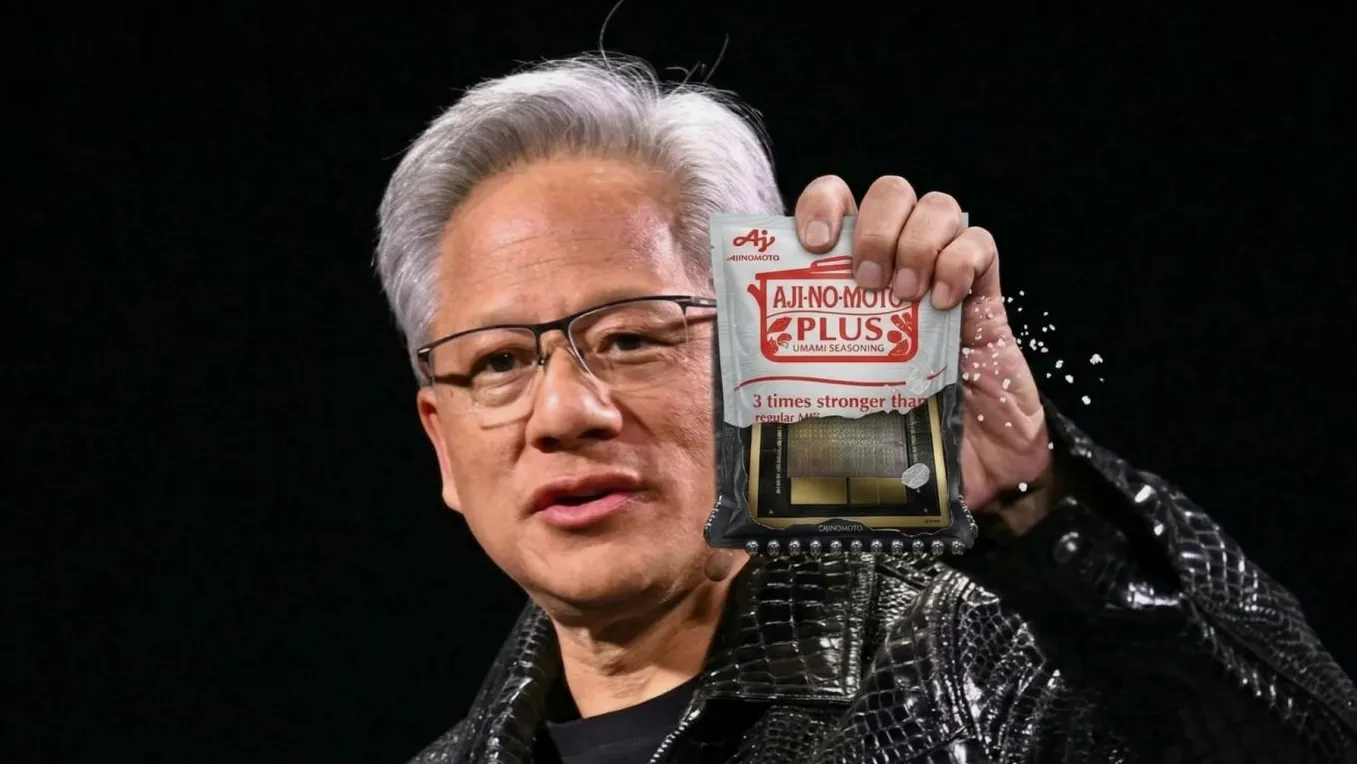
The weirdest headline in the mix is also the one with the deepest hardware implications. A company best known to many people for seasoning products is tied to Ajinomoto Build-up Film, or ABF, a crucial material used in advanced semiconductor packaging. Supply is tight, AI demand is huge, and packaging capacity is already one of the semiconductor world’s biggest bottlenecks.
If that sounds distant from console accessories, it is not.
Why ABF shortages matter to gamers
- Advanced chips need advanced packaging, not just wafer production.
- AI infrastructure spending is sucking up capacity across the broader semiconductor chain.
- When supply tightens, consumer hardware competes at a disadvantage against higher-margin enterprise demand.
- Accessories are not immune. Premium controllers, docks, wireless transmitters, display adapters, and smart peripherals all depend on stable chip supply and packaging availability.
Will this instantly make your next Hall effect controller impossible to buy? No. But it can contribute to the kind of slow-burn market effects gamers hate:
- Higher accessory pricing
- Longer restock gaps
- More regional shortages
- Version swaps or silent component revisions
- Mid-cycle quality inconsistency
That last one is a big deal. When brands scramble around supply issues, you can get products that share the same name but not the same internals. One batch has tighter sticks and lower latency; the next batch feels mushier or uses a weaker wireless chip. If you have ever wondered why reviews and real-world buyer feedback sometimes seem disconnected, supply substitution is one reason.
Accessory buyers should watch these signals
- Sudden price increases without a redesign
- Previously common models going “temporarily unavailable” for weeks
- New revisions with vague wording like “optimized chipset”
- Retail listings that quietly drop detailed specs
This is where being a spec goblin actually helps. Check polling rate claims, Bluetooth version, battery size, trigger mechanism type, and stick sensor details before you buy. If a listing gets fuzzier over time, that is usually not an accident.
Experimental branding is everywhere, and gaming hardware is not exempt
One of the stranger consumer trends right now is the push for attention through mashups, customization gimmicks, and “limited” experiences. Food brands are doing it. Soft drink partnerships are doing it. Game marketing is doing it. Hardware brands absolutely are too.
You have seen the pattern:
- collab colorways over meaningful ergonomic upgrades
- limited editions with no internal improvements
- buzzwords replacing measurable latency or durability data
- identity-first marketing aimed at impulse buys
None of this means fun branding is bad. It means you should separate cosmetic novelty from competitive advantage. A spicy-looking shell does not fix drift. A crossover dock skin does not improve heat dissipation. A themed thumbstick cap cannot save a weak dead-zone profile.
That is why repair gear is staying relevant even as manufacturers chase trends. If your existing controller is structurally solid, a targeted fix can beat a hyped replacement. A proper joycon drift repair kit makes a lot more sense than panic-buying another pair of Joy-Cons just because a flashy edition dropped and stock on the standard model got weird.
Even game design trends are feeding the hardware conversation
The rise of games with unusual emotional tone, like horror blended with life sim structure, also says something about hardware demand. Players are no longer optimizing only for esports reflexes or cinematic spectacle. They are building for comfort during long sessions, nuanced audio, readable handheld displays, and input consistency across very different genres.
A tense, slow-burn game with psychological pressure hits differently on bad hardware. Glare ruins mood. Stick drift wrecks precision movement. Weak audio imaging kills atmosphere. Hand fatigue pulls you straight out of the experience.
That changes which accessories actually matter
- Display clarity upgrades matter more for handheld horror, text-heavy RPGs, and late-night sessions.
- Reliable analog control matters not only in competitive games but in exploration-heavy titles with subtle movement.
- Ergonomic grips and balanced weight matter for long-form play, not just marathon ranked grinds.
- Good earbuds or low-latency audio solutions matter for atmosphere, timing, and immersion.
The keyword here is mindspace. Different games put you in a different mindspace, and your hardware either supports that or constantly breaks it. That is why accessory advice should not be trapped in old “pro gamer only” logic.
What smart players should do next
You do not need to panic. You do need to stop assuming digital convenience, third-party support, and hardware supply will stay stable by default.
- Build around ownership first: local installs, backed-up saves, dependable storage.
- Buy accessories that solve friction: anti-glare, repair tools, ergonomic upgrades, low-latency audio.
- Be suspicious of cloud-only value: if access can disappear, price it like a rental, not a permanent library asset.
- Watch for silent hardware revisions: compare specs and buyer reports before reordering a familiar product.
- Treat hype cycles as scam season: especially around blockbuster games and developer leaks.
- Repair before replacing when the core hardware is still good: this is often the better performance-per-dollar move.
Here is the short version. The gaming stack is getting messier: cloud rights are softer than they look, major developer ecosystems remain targets, and semiconductor pressure can ripple into the gear on your desk months later. Meanwhile, brands keep trying to distract you with novelty.
So what wins? The same things that usually win when the market gets noisy: hardware you control, accessories with a measurable benefit, and a setup designed to survive platform nonsense. If your Switch, PS5, or Steam Deck rig does that, you are ahead of the curve already.