You spot a $500 Windows handheld, see a flood of new console announcements, and suddenly the upgrade itch hits hard. But here’s the uncomfortable part: the handheld market looks stronger than ever on the surface while getting more fragmented underneath. That matters if you care about accessories, long-term support, game compatibility, and whether your next portable setup will still feel smart six months from now.
This week’s hardware and platform chatter points in one direction: portable gaming is expanding fast, but buyer risk is no longer just about specs. It’s about ecosystems, software maturity, OEM strategy, and whether the games you actually want to play show up in a stable, optimized way. If you’re shopping for a Steam Deck alternative, or deciding whether to double down on your current handheld setup, the signals are getting clearer.
The quick read on what changed
- Windows handheld pricing is getting aggressive, with the Asus ROG Xbox Ally hitting $500, down from $600.
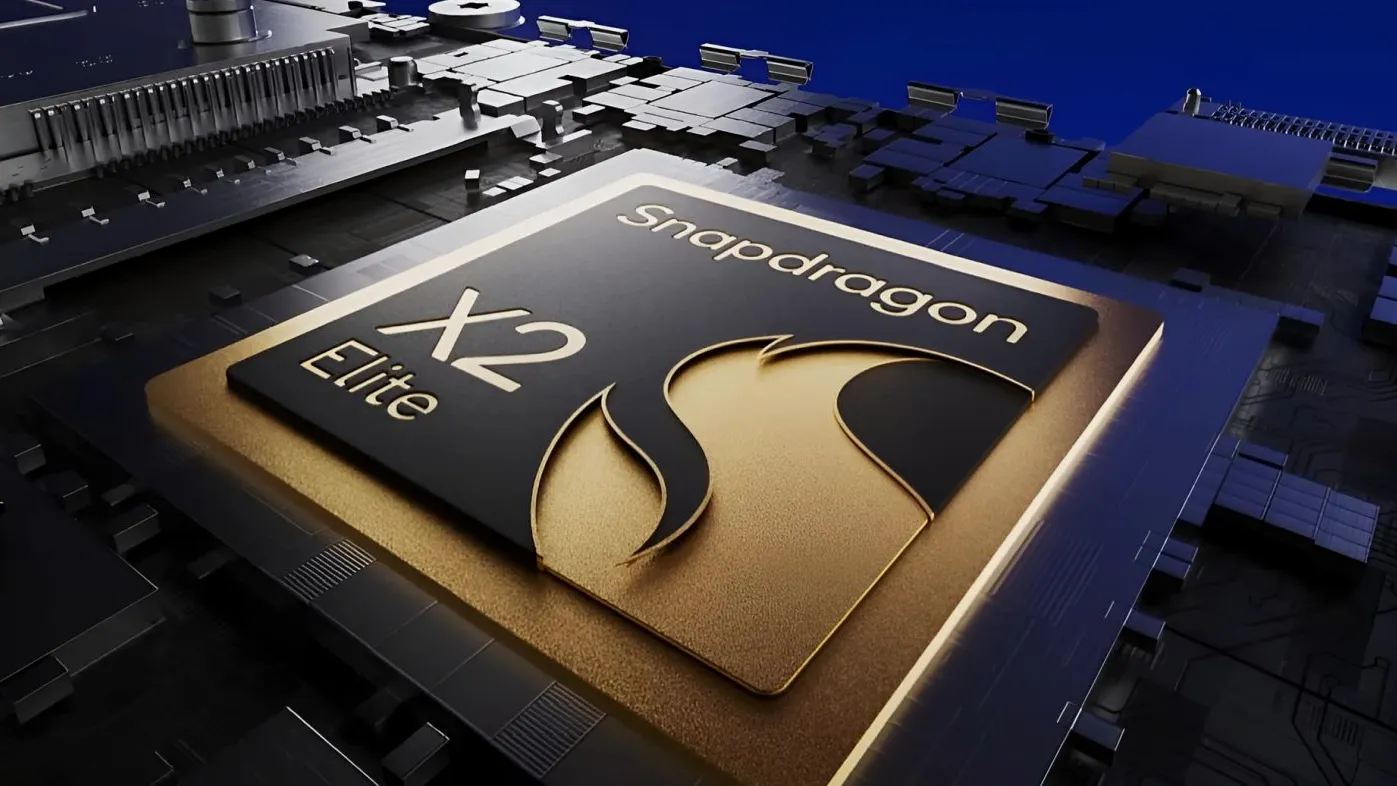
- Snapdragon X2 Elite is being framed as a serious foundation for Windows on ARM, which could reshape thin-and-light gaming-adjacent hardware if software support keeps improving.
- Game release momentum is spreading across platforms, with Hades II preparing bonus content tied to a wider console rollout.
- Showcase culture is still driving hype, as Level-5’s Vision 2026 event reminded everyone that platform relevance is tied to content pipelines, not just silicon.
Those don’t look connected at first glance. They are. The throughline is simple: hardware is no longer competing on raw horsepower alone. It’s competing on ecosystem confidence.
Why the $500 ROG Xbox Ally deal matters more than the discount
A price drop on a Windows handheld is always attention-grabbing, but this one matters because it sharpens the value debate around Steam Deck, Switch 2-era buying decisions, and the next class of PC portables. At $500, the ROG Xbox Ally stops being a niche enthusiast splurge and starts looking like a direct impulse alternative to other premium gaming hardware.
- You get PC storefront flexibility, which usually means wider game access and frequent discounts.
- You get Windows compatibility, which can be a blessing for launchers and multiplayer titles but also a headache for sleep behavior, background tasks, and controller-first navigation.
- You get stronger “spec appeal” on paper, but not always the smoother console-like experience people expect.
That last point is where shoppers get burned. A handheld can have decent silicon, a bright display, and good branding, then still feel annoying in daily use if the software stack isn’t tuned for instant-resume behavior, scaling, battery discipline, and controller UX. Anybody who has fought Windows pop-ups with thumbsticks knows exactly what I mean.
That’s also why accessory planning matters. A more demanding handheld ecosystem usually means you’ll want a better case, charger, dock, grip solution, or thermal-conscious storage setup sooner rather than later. If you’re already building around Steam Deck accessories, the appeal of staying inside a more established portable ecosystem gets stronger when rival devices rely on more moving parts.
Snapdragon X2 Elite could change the next phase of handheld design
The more interesting long-term story is not one sale. It’s the renewed push behind Windows on ARM, and specifically the idea that Snapdragon X2 Elite gives manufacturers a stronger technical base than earlier ARM-powered Windows attempts. Better efficiency, better native app support, and stronger platform confidence could eventually influence gaming-adjacent devices, ultra-portables, streaming-focused handhelds, and hybrid companion hardware.
But there’s a catch, and it’s a big one: OEMs appear tempted to chase short-term wins instead of building a healthy shared ecosystem. That is exactly how promising hardware categories get messy.
Why this is a risk for gamers, not just laptop nerds
- Accessory fragmentation gets worse when devices launch with inconsistent form factors, cooling targets, and I/O priorities.
- Optimization gets slower when developers don’t see a stable, unified install base.
- Consumer trust drops if buyers feel like every model is a one-off experiment instead of part of a growing platform.
- Used-market value falls faster when support windows and ecosystem identity feel uncertain.
For gaming handheld fans, this matters because the category is drifting into two camps. One is the mature, purpose-built handheld ecosystem model, where the software experience is constrained but cohesive. The other is the open-but-fragmented PC handheld model, where flexibility is huge but polish varies wildly between devices. A stronger Snapdragon-based Windows future could narrow that gap, but only if manufacturers stop treating each launch like a disconnected cash grab.
The real threat isn’t weak hardware. It’s strong hardware trapped inside a half-built ecosystem.
That’s why some buyers should slow down. If you mostly emulate, stream, tweak TDP, and don’t mind occasional OS weirdness, the expanding Windows handheld field is exciting. If you want a device that feels “console clean” every time you press power, maturity still beats novelty.
Why game announcements still affect your hardware buying decisions
Plenty of people pretend hardware and software are separate stories. They’re not. A handheld lives or dies by the shape of the release calendar, patch support, and where major games actually land with proper optimization.
Take the Hades II update news tied to broader console availability. That’s important beyond the game itself. It signals that developers are continuing to think in multi-platform deployment cycles, where content updates arrive across ecosystems rather than staying isolated. For handheld players, that usually means:
- Longer relevance for portable play, because major games aren’t trapped in one hardware lane.
- Better accessory value, since your case, dock, controller grip, and charging setup stay useful across a healthier game pipeline.
- More pressure on handheld makers to keep compatibility and performance stable as cross-platform expectations rise.
Then there’s the Level-5 Vision 2026 showcase effect. Even when release windows are vague, showcases shape demand. Why? Because they influence what players think they’ll want to play on the go six months from now. RPGs, strategy-heavy games, long-session grind titles, and stylized Japanese releases often punch above their weight on handhelds. One strong showcase can quietly boost interest in docks, shell grips, thumbstick caps, carry cases, and display protection because players start planning for more hours away from a desk.
If you’re already invested in portable customization, browsing dedicated Steam Deck Accessories makes more sense when the software future feels predictable. Games drive sessions; sessions drive hardware wear; hardware wear drives accessory demand. That loop is the real market signal.
What this means for Steam Deck vs newer handheld rivals
The Steam Deck still benefits from something many newer challengers can’t fake: ecosystem identity. Not perfect battery life. Not maximum frame rates. Identity. You know what the device is for, what the UI is trying to do, what accessories fit the lifestyle, and what compromises you’re making upfront.
By contrast, several rivals are chasing a moving target:
- Console branding with PC complexity
- Premium display specs with inconsistent battery behavior
- Aggressive sale pricing with uncertain long-term software polish
- Broad compatibility claims that still rely on user patience
Does that mean you should ignore discounted Windows handhelds? No. It means you should buy them for the right reason.
Buy a Windows handheld if this sounds like you
- You want access to multiple launchers without workarounds.
- You play competitive or niche PC titles that don’t fit neatly into a more curated handheld ecosystem.
- You don’t mind tweaking power settings, overlays, drivers, and background services.
- You treat the device like a mini gaming laptop, not a frictionless console.
Stick with the more established handheld path if this sounds like you
- You value sleep-resume reliability.
- You care more about session flow than benchmark flexing.
- You want accessories and replacement parts that feel easier to shop for confidently.
- You’re tired of troubleshooting before playing.
That distinction is getting sharper, not softer. And if Snapdragon-powered Windows hardware expands further, the category could become even more crowded before it becomes more coherent.
The accessory angle most shoppers miss
Here’s the sneaky part: whenever the handheld market gets noisier, accessories become your insurance policy. A shaky ecosystem can still be manageable if your setup is dialed in. Poor ergonomics, heat buildup, weak travel protection, and unreliable charging are the issues that turn “great specs” into regret.
- Prioritize power gear: handheld performance falls apart fast if charging standards or cable quality are inconsistent.
- Think thermals before aesthetics: a pretty shell or sleeve is useless if it traps heat during downloads or docked play.
- Plan for control comfort: if a device is slightly too flat or slightly too heavy, long sessions expose it brutally.
- Protect the sticks and triggers: these are usually the first pain points once a handheld becomes your daily driver.
And if your gaming rotates between portable and console, there’s a crossover lesson here too. The same buyers obsessing over handheld ergonomics often end up wanting a ps5 custom controller for the exact same reason: comfort and input confidence matter more than spec-sheet theater once you’re actually grinding matches or farming late-game content.
The market signal to watch over the next few months
If you want one metric that matters more than launch hype, watch this: are manufacturers building repeatable ecosystems, or just dropping flashy hardware into a messy software landscape?
That answer will show up in a few practical ways:
- Accessory standardization — more shared dimensions, docks, mounting options, and carry solutions mean a category is stabilizing.
- Native software momentum — especially on Windows on ARM, where app support and game-adjacent tooling still determine whether the hardware feels future-ready.
- Price discipline — heavy discounts can mean opportunity, but they can also hint at weak confidence in long-term positioning.
- Cross-platform game support — the more major releases and updates hit multiple systems cleanly, the safer portable hardware becomes.
So if you’re deciding whether to buy now, here’s the practical play: buy discounted hardware only when you also trust the ecosystem around it. Cheap alone is not enough. A handheld that saves you $100 upfront but costs you in friction, accessories you didn’t plan for, and inconsistent support is not a deal. It’s a side quest.
Right now, the handheld scene is exciting for exactly the same reason it feels dangerous: there’s real innovation, real price movement, and real content momentum, but the strongest winners still haven’t fully separated themselves from the noise. Until they do, your smartest move is to shop like an ecosystem realist, not a spec-chaser.