You used to keep your gaming setup in neat little boxes: Mac for work, console for exclusives, handheld for backlog grinding, laptop for raw performance. That wall is starting to crack. A horror game landing on Apple Silicon, an alleged Nvidia laptop motherboard leak showing a monster memory configuration, and the wider entertainment push toward prestige, serialized releases all point to the same hardware reality: portable gaming is getting weirder, faster, and a lot more competitive. If you care about PS5 add-ons, controller mods, Switch shells, or Steam Deck gear, this matters more than it first appears.
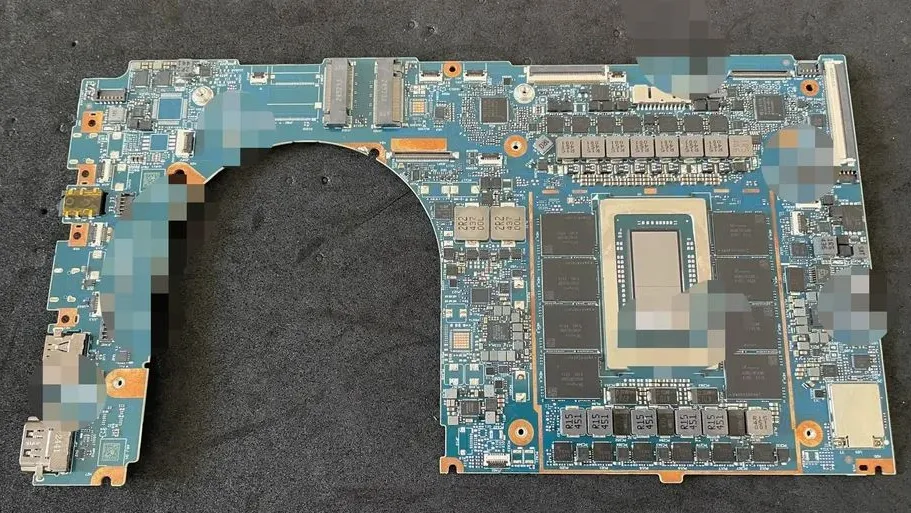
This is not just a PC story. It is a gaming hardware ecosystem shift. When Mac gets more serious about new game launches and Nvidia appears ready to push fresh silicon into highly integrated laptop designs, accessory buyers need to think ahead. The old assumption that handheld and console accessory trends live in a separate lane from broader compute hardware? That is getting outdated fast.
The quick-hit trend report: the signal behind the noise
- Mac gaming is gaining legitimacy, and that changes where publishers are willing to ship demanding new titles.
- Alleged Nvidia N1/N1X laptop motherboard images suggest aggressive, tightly packed performance targets with high-bandwidth LPDDR5X memory.
- Portable-first hardware thinking is spreading across the market, even when the device is technically a laptop or desktop replacement.
- Serialized media culture still drives release behavior, and that matters because hype cycles now influence hardware buying just as much as game performance does.
- Accessory demand follows friction: when devices heat up, drift, throttle, or become uncomfortable in long sessions, players buy mods and ergonomic upgrades.
The strangest source in the mix is the anime and TV chatter, but it actually helps explain the market mood. Big franchises, recurring drops, audience retention, and platform stickiness all reward hardware that keeps players locked in across multiple sessions and services. Hardware no longer sells on peak performance alone. It sells on whether it can stay in your hands comfortably, quietly, and reliably over weeks of use.
Why a new Mac game matters to accessory buyers
A horror title arriving on Apple Silicon is not automatically a revolution. One game does not erase years of inconsistent Mac support. But it is still a meaningful marker. Mac has spent years hovering around the phrase almost viable for gaming. What changes momentum is when fresh releases, especially visually demanding ones, stop treating Mac as an afterthought.
- New launches on Mac tell publishers there is at least some demand worth chasing.
- Apple Silicon efficiency keeps making the platform more attractive for thermals and battery, even when raw game compatibility still lags.
- Cross-platform development pressure increases once developers see more storefronts and more premium device classes worth targeting.
For the console-accessory niche, this matters because player expectations bleed across platforms. If someone gets used to a quieter, lower-power machine for nightly sessions, they become far less tolerant of a loud handheld, an uncomfortable grip angle, or sticks that start feeling mushy after a few months.
That is exactly why ergonomic and durability-focused upgrades keep gaining traction. If you are already deep into Steam Deck accessories, you have probably noticed the market moving away from cheap cosmetic add-ons and toward grip comfort, thermal breathing room, better carry solutions, and control longevity.
The real Mac gaming takeaway
- Do not read this as “buy a Mac instead of a handheld.”
- Do read it as proof that low-power, high-efficiency gaming hardware is becoming more credible.
- Expect accessory makers to borrow design cues from that shift, especially around heat management, acoustics, and travel-friendly use.
If you mod or shop for hardware, the lesson is simple: performance-per-watt is now part of the buying conversation, not a niche enthusiast stat.
The Nvidia motherboard leak is the bigger hardware bombshell
The alleged Nvidia N1/N1X motherboard images are the kind of leak that instantly gets spec nerds staring at traces and power delivery. And for good reason. The headline detail is not just that a new SoC may be nearing visibility. It is the combination of a laptop board design, 128 GB of LPDDR5X memory, and an 8+6+2 phase VRM layout. That points to a platform aimed far above casual ultraportable duty.
- 128 GB LPDDR5X suggests massive bandwidth and capacity ambitions in a highly integrated package.
- LPDDR memory on-board usually means tighter board efficiency, but less upgrade flexibility.
- 8+6+2 phase VRM implies serious power management for more than just a lightweight office chip.
- Laptop motherboard context hints at mobile form factors getting desktop-class expectations dumped onto them.
Why should a PS5 or Steam Deck hardware reader care about a laptop motherboard? Because this is the same trend line that shapes future handhelds, dockable systems, and premium portable gaming devices. Integration is winning. Manufacturers want more performance in slimmer layouts, with less wasted space, shorter signal paths, and more predictable thermals. The trade-off is also familiar: repairability and modularity usually lose when integration wins.
Quick reality check: more integrated memory and denser motherboard layouts can improve efficiency and reduce footprint, but they also raise the stakes for heat concentration, board-level failure, and long-term serviceability.
If that sounds familiar, it should. The handheld and console modding scene has already been living with that tension. Smaller devices are great right up until a stick module wears out, a battery starts swelling, or sustained heat makes the shell unpleasant to hold.
What this means for handheld-style gaming hardware
- Thermal design becomes a user-experience feature, not just an engineering footnote.
- Memory bandwidth matters more as resolution scaling, AI upscaling, and background systems get heavier.
- Accessory quality rises in importance because the base device may be less repairable and harder to tweak internally.
- External comfort mods and control upgrades become safer bets than invasive internal experimentation for most users.
This is where a lot of buyers still make the wrong call. They chase the highest-spec device and cheap out on the parts that affect every single session: grip feel, stick precision, trigger consistency, charging habits, and carrying protection. Peak teraflop bragging rights are fun. Thumb fatigue and drift are not.
Why entertainment release culture still affects hardware trends
At first glance, a prestige TV season schedule or a conversation around mainstream anime pacing seems miles away from console accessories. It is not. Media habits shape hardware buying in subtle ways. Weekly release culture creates recurring engagement windows. Instead of one launch weekend and done, people keep returning to devices for companion games, social sessions, second-screen browsing, and backlog play between episodes.
- Weekly drops encourage repeat-use hardware, which exposes comfort flaws faster.
- Prestige content keeps users platform-locked, making all-in-one devices more attractive.
- Cross-entertainment usage increases wear on sticks, triggers, bumpers, and batteries.
That matters because accessory demand often spikes from repetition, not intensity. A player who uses the same handheld every night for mixed media, lighter gaming, and party chat may wear controls in a different pattern than someone who only logs weekend shooters. The hardware market increasingly has to serve both types.
And yes, this is where control hardware gets serious. If you are already annoyed by analog inconsistency, deadzone weirdness, or creeping drift, this is the moment to look at component quality instead of waiting for failure. A proper hall effect joystick PS5 upgrade makes far more sense once you accept that your controller is now part of a wider, always-on entertainment routine rather than just a match-night tool.
The accessory categories most likely to benefit from this shift
1. Cooling and comfort gear
- Grip cases with actual palm support, not just cosmetic bulk
- Dock setups with better airflow clearance
- Travel stands and angled mounts that reduce wrist strain during long sessions
As more portable devices push harder silicon into tighter spaces, comfort becomes a performance issue. If your hands get hot and cramped, you stop playing before the battery dies.
2. Stick and button durability mods
- Hall effect modules for drift resistance
- Higher-quality thumb caps for grip consistency
- Button membrane replacements when stock feel turns mushy
This is especially relevant as players spread usage across games, streaming apps, menus, and social hubs. Inputs rack up wear even outside competitive play.
3. Protective gear with sane design priorities
- Cases that protect vents instead of choking them
- Shells that preserve wireless performance and fit
- Carry options that account for chargers, docks, and modular accessories
A lot of bad accessory design still comes from pretending a gaming device is just a slab that needs wrapping. It is not. Every blocked intake, every warped fit point, every over-tight shell tolerance can create thermal or ergonomic penalties.
What smart buyers should do next
You do not need to panic-buy new gear because Mac got a horror game or because an alleged laptop motherboard surfaced. But you should read the room. The industry is converging around dense, efficient, premium portable compute. Some of it will be brilliant. Some of it will be a repair nightmare. Most of it will put more pressure on the accessories and mods surrounding the hardware.
- Prioritize control longevity before chasing cosmetic upgrades.
- Buy grips and shells based on airflow and hand feel, not marketing renders.
- Treat integrated devices as less forgiving; external upgrades are often the smarter path.
- Watch for platform spillover: trends that start in laptop or Mac hardware often show up later in handheld gaming design.
Here is the actionable takeaway: if your current setup already runs hot, cramps your hands, or shows early stick inconsistency, fix those problems now. Why wait until the next wave of tighter, less serviceable hardware lands and makes basic reliability even more valuable?
The big story is not really about one mac release, one new season of prestige content, or one leaked motherboard. It is about a market that keeps collapsing old boundaries. Laptop-class internals are becoming more portable. Portable expectations are becoming more console-like. And the gear around your device, from stick modules to grip ergonomics, is no longer optional fluff. It is the difference between hardware that feels premium for six months and hardware that still feels right a year later.