You boot up a big-name port on a handheld, crank the brightness, settle into the couch, and five minutes later you can already tell whether the hardware is doing the work or some distant server farm is. That difference matters more than ever right now. Between reports of a former cloud-only Switch release getting rated for Switch 2, Epic reportedly building a Disney extraction shooter, and Dune: Awakening shifting harder toward PvE because most players never truly bought into PvP, the same buyer question keeps coming up: should you trust the platform version in front of you, or wait for the version that actually fits how people play?
For anyone shopping around Nintendo Switch 2 gear, handheld accessories, docks, storage, grips, or even display add-ons, this is no small detail. A native game stresses your hardware in one way. A cloud title stresses your network, controller latency, Wi-Fi setup, and comfort for longer sessions in a totally different way. And if publishers are now revisiting cloud-era compromises, buyers need to read the room before spending money on the wrong setup.
The real comparison buyers should make right now
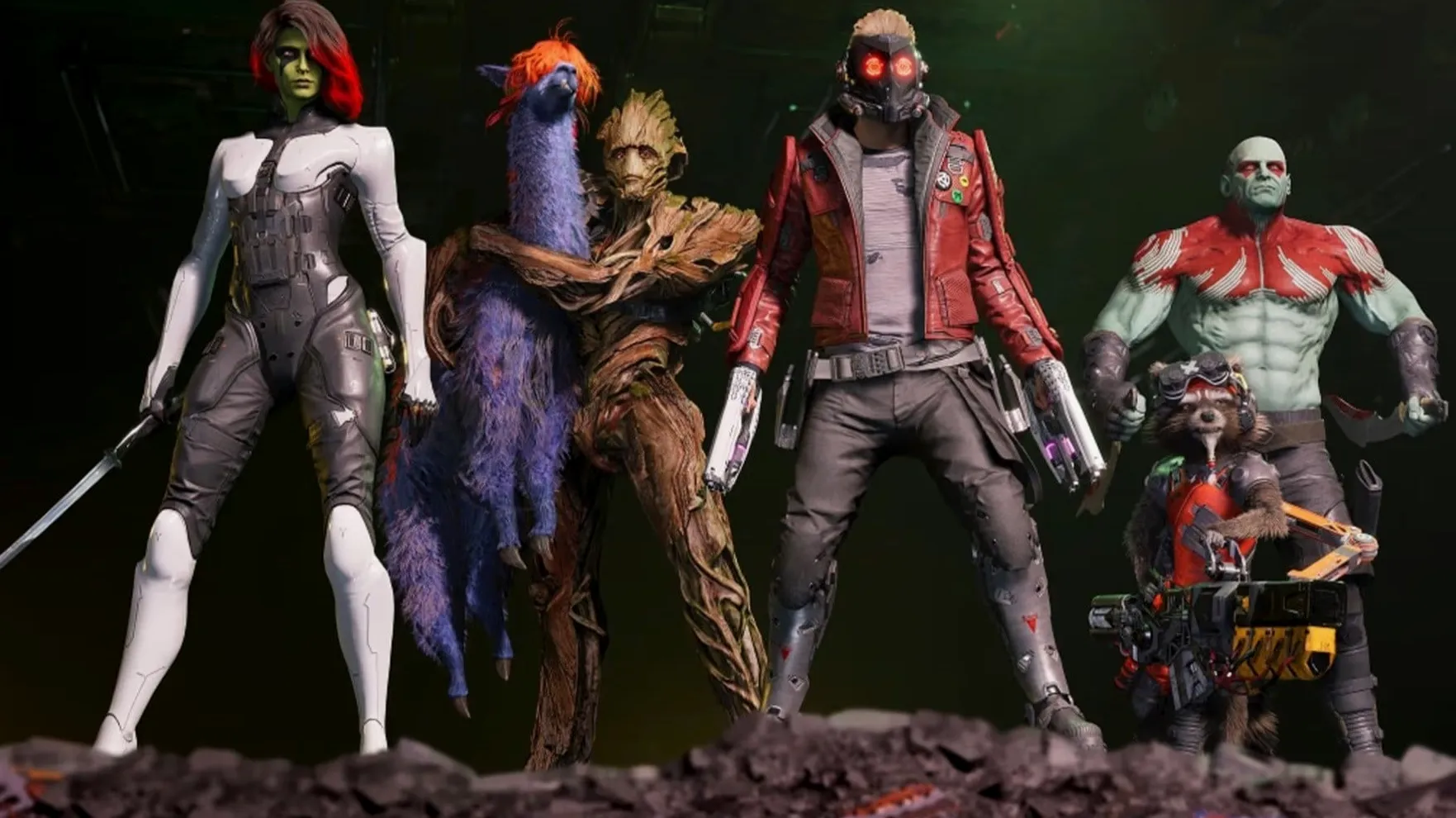
The headline story is simple: some games that once landed on Nintendo hardware as cloud versions may now have a realistic path to native Switch 2 releases. A rating for Marvel’s Guardians of the Galaxy on Switch 2 strongly suggests exactly the kind of transition players have been asking for. No promises yet, but the signal is obvious.
At the same time, the wider market is showing something equally important. Games are being reshaped around actual player behavior. Funcom says only around 20% of Dune: Awakening players meaningfully engaged with PvP, so it is leaning PvE-first. That is a blunt reminder that devs eventually stop designing around the loud minority. They chase retention. They chase what players consistently use. Cloud ports on weak hardware were often a compromise of necessity. If Switch 2 lowers that barrier, more publishers will likely prefer native versions because they remove friction for the other 80% too.
And then you have the reported Disney extraction shooter from Epic. Extraction games live or die on responsiveness, readability, and session tension. If that genre keeps expanding across platforms, handheld and console buyers should care about one thing above all: latency tolerance. Cloud can work for slower, menu-heavy games. For extraction shooters? Every frame hitch and input delay is suddenly personal.
Cloud version vs native Switch 2 version
If you are deciding whether to buy accessories for streaming-heavy play or for local performance-focused gaming, start here.
| Factor | Cloud Version on Nintendo Hardware | Native Version on Switch 2 | What it means for buyers |
|---|---|---|---|
| Performance source | Rendered on remote servers | Rendered on local hardware | Cloud depends on internet quality; native depends on console optimization and thermals |
| Input latency | Usually higher and more variable | Lower and more consistent | Competitive and action-heavy games feel better natively |
| Image quality stability | Can fluctuate with bandwidth | More stable, though dynamic scaling may still appear | Cloud can look sharp one minute and smeared the next |
| Offline play | No meaningful offline option | Usually available unless always-online features are required | Travel, commuting, and spotty Wi-Fi heavily favor native |
| Battery behavior | Can be lighter on GPU load but heavy on wireless use | Heavier local processing load | Battery outcomes vary; accessories matter in different ways |
| Storage use | Smaller local install in many cases | Larger downloads and updates | Native gaming increases the value of fast, high-capacity storage |
| Session reliability | Depends on server uptime and your connection | Depends mostly on game optimization | Cloud adds a second failure point you cannot control |
| Best use case | Graphically demanding games with less twitch-sensitive gameplay | Action, shooters, platformers, long portable sessions | Genre fit matters more than marketing |
Why this trend matters beyond one rumored port
The possible move from cloud-only labeling to a native Switch 2 release is not just a tech curiosity. It signals a broader market correction. Publishers spent years trying to force high-end games onto weaker hardware through streaming. Sometimes it was acceptable. Often it was a band-aid. Buyers tolerated it because there was no better option.
Switch 2 changes the math. More capable local hardware means publishers can revisit titles that previously needed cloud infrastructure just to exist on Nintendo platforms. That matters for three reasons:
- Long-term ownership improves. Native versions feel less disposable because they do not live and die by service support in the same way.
- Accessory priorities shift. Instead of building around perfect Wi-Fi, you start building around comfort, battery strategy, and storage.
- Genre fit expands. Games with shooting, fast traversal, or timing-sensitive combat become more realistic portable options.
That last point is huge. If Epic really does launch a Disney extraction shooter, you can bet players will compare every version by responsiveness first and franchise novelty second. Nobody sticks with an extraction game because Buzz Lightyear or Marvel branding is attached if the input lag feels mushy. The genre is too punishing for that.
Accessory buying guide: choose for cloud-first or native-first play
If you mostly play cloud games
Your bottleneck is not raw GPU power. It is connection consistency and play environment. That means your best purchases are boring but brutally effective.
- A strong router or mesh upgrade if your play area has dead zones.
- A quality grip case because streaming sessions often run long and comfort becomes more important than fan noise.
- Low-latency wireless earbuds or wired audio to reduce the stack of audio delay on top of network delay.
- A dock or stand positioned near your best signal zone, not just where your furniture looks nice.
Expert tip: if your cloud game feels randomly worse at peak evening hours, stop blaming the game first. Check 5GHz congestion and local household traffic. Streaming a game while someone else is hammering the network with 4K video or downloads is asking for bitrate collapse and input spikes.
If you are betting on native Switch 2 ports
This is where the money should go:
- Fast microSD storage from a reputable brand, because larger native installs are coming.
- A higher-capacity power bank with proper output support for longer local sessions.
- An ergonomic grip that reduces wrist fatigue in action-heavy games.
- A protective travel case with cartridge and cable room if you actually use portable mode outside the house.
Native play also makes display quality and controller feel more noticeable. When image quality is stable and inputs are immediate, weak ergonomics stand out fast. That is why serious handheld users often spend more on comfort accessories than on cosmetic ones.
💡 Related gear check: if you also play Sony hardware and care about latency, comfort, and long-session setup tuning, browsing solid PS5 accessories can help you compare how different ecosystems solve grip, charging, and input problems.
Where Dune fits into a hardware buying decision
At first glance, Dune: Awakening pivoting toward PvE-first sounds unrelated to Switch 2 port speculation. It is not. The common thread is brutally practical design: the market eventually bends toward the way most people actually play.
Only about 20% of players heavily engaging with PvP is a warning sign for anyone buying peripherals based on edge-case use. Do you really need to optimize your whole setup around ultra-competitive assumptions if your real gaming life is mostly co-op, PvE, story progression, and portable sessions? Probably not.
That logic matters when you are choosing hardware extras:
- If you mainly play solo or co-op, prioritize comfort and battery over hyper-competitive controller mods.
- If your game library is shifting toward native ports, buy storage before buying network gear.
- If you are curious about extraction games, prioritize low-latency audio and input over aesthetics.
Too many buyers still shop like every game is a tournament shooter. Most are not. The data keeps exposing that fantasy.
Switch 2 buyers: wait for the label, not the hype
Green flags before you buy day one
When a previously compromised port resurfaces on stronger hardware, you should watch for a few specific signs:
- No cloud branding in store listings
- Confirmation of local install size
- Performance targets such as resolution or frame-rate modes
- Portable-mode footage, not just docked captures
- Hands-on impressions that mention frame pacing, not just graphics
Frame pacing matters because a game can hit a flashy target on paper and still feel rough in your hands. And on a handheld, bad frame pacing plus cramped ergonomics is a nasty combo. Ever tried to muscle through a stuttery action game on a flat-edged handheld for two hours? Exactly.
Red flags that should make you hold off
- Publishers avoiding direct mention of native rendering
- Marketing built around IP name recognition instead of performance details
- No portable gameplay footage close to launch
- Heavy always-online wording for a game that should not need it
The Disney extraction shooter rumor is a perfect example of where buyers should stay skeptical. Big IP plus a hot genre sounds like easy momentum, but extraction players are ruthless. If the game feels derivative and technical performance is merely okay, the honeymoon ends fast. That is even more true on handheld platforms where control feel and legibility decide whether a session feels tense or just annoying.
The smartest buying move right now
If you are shopping in the Nintendo ecosystem, do not buy accessories for the marketing fantasy of cloud convenience or crossover hype. Buy for the version of play that is most likely to survive six months after launch.
Right now, that means assuming more players want stable native performance, lower friction, and game designs tuned to what the majority actually does. The reported Switch 2 rating for a former cloud-era title fits that direction. Dune shifting toward PvE-first fits that direction. Even the interest around a new extraction shooter fits it, because the genre only works when the fundamentals are sharp.
Your actionable takeaway is simple: if a game is likely to arrive natively on Switch 2, prioritize storage, battery, and ergonomics; if it is cloud-only, prioritize network quality and low-latency accessories—and never confuse the two shopping lists. That one distinction will save you money, frustration, and a lot of buyer’s remorse.