You can tell when the market is about to shift because the games stop fitting neatly into one lane. A survivors-style Warhammer release lands on Switch 1 and Switch 2, a giant live-service update cycle keeps mobile-first players glued to long sessions, a Roman city-builder suddenly leans into spectacle over purity, and a major insider rumor says even Call of Duty’s place on Game Pass may not be guaranteed. That mix sounds chaotic, but for anyone buying console gear, grips, storage, screens, and controller mods, it sends a very clear signal: 2026’s hardware decisions are being driven by play patterns, platform volatility, and session length more than raw fandom.
This is the kind of shift that catches accessory buyers off guard. You think you’re shopping for a new game. You’re actually shopping for comfort, battery life, input reliability, and display readability. Different problem entirely.
The quick read: what this week’s game news really means for hardware buyers
- Switch 1 and Switch 2 are both staying relevant, because cross-generation launches like Warhammer Survivors keep the older install base alive while giving the new hardware a fresh software hook.
- Service-game momentum is still brutal, with Honkai: Star Rail’s Version 4.2 and anniversary rewards reinforcing long-session, daily-login behavior that changes what players need from handheld gear.
- Spectacle-heavy strategy games are becoming more streamable and more portable-friendly, as seen with Anno 117’s volcano-heavy DLC pitch. That matters because UI readability and thermal comfort become bigger concerns on smaller screens.
- Subscription uncertainty is back on the table. If Call of Duty can become a real Game Pass debate point, players may think harder about where they buy, where they play, and which hardware ecosystem gets their accessory budget.
The dominant trend isn’t one game. It’s the fragmentation of how people access games. That’s why this belongs squarely in Trends and Research, not just straight news.
Warhammer Survivors is more than a release announcement
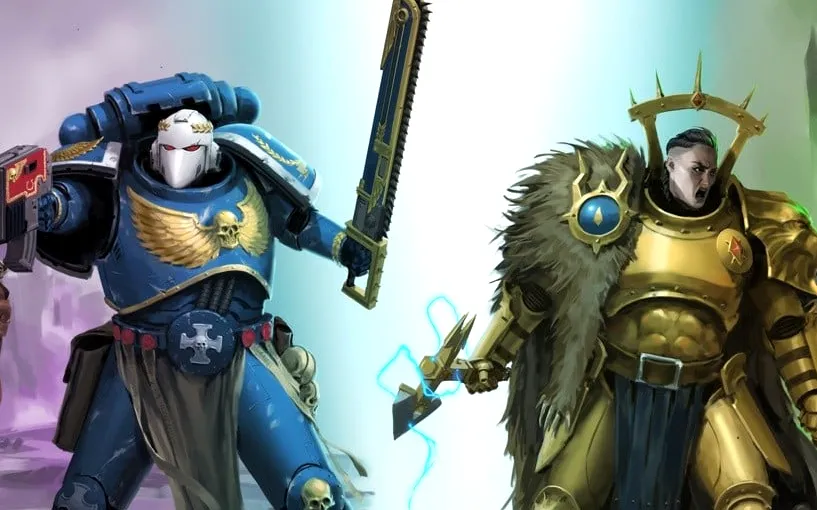
The obvious headline is that Warhammer is getting its own take on the Vampire Survivors formula, built as a standalone game and aimed at both Switch 1 and Switch 2. The deeper story is platform strategy. When a game like this hits both systems, it tells you publishers still see huge value in the older Switch audience, while also using Switch 2 as a higher-performance destination for the same sticky loop.
Why that matters for accessory demand
- Short-run roguelike sessions become long-run marathons. These games look like quick bites and then quietly eat two hours.
- Input fatigue matters more than graphical wow factor. If the loop is movement-heavy and repetition-heavy, stick feel and grip comfort start dominating user satisfaction.
- Battery expectations change. Lower-complexity visuals often make players assume power draw won’t matter, but marathon sessions still expose weak charging setups and bad handheld ergonomics.
- Cross-gen releases delay upgrade urgency. Some players will keep their older system longer and spend on comfort upgrades instead of new hardware immediately.
That last point is huge. If your backlog and new release calendar still look healthy on older hardware, you’re far more likely to buy accessories before buying a new console. That’s especially true for people weighing docks, cases, thumbsticks, and modular repairs instead of a full platform jump.
Expert tip: games in the survivors lane are brutal at exposing tiny input annoyances. A drifting stick, uneven dead zone, or slippery thumb cap feels tolerable in a menu-heavy RPG. In a movement-centric survival loop, it becomes rage fuel fast. If your current controller feels vague, a GuliKit hall effect joystick upgrade is exactly the kind of mod that makes more sense than replacing an otherwise good pad.
Honkai: Star Rail proves the long-session hardware market is still booming
Version 4.2 and the third anniversary push show that live-service cadence still works when the content drumbeat is strong. New updates, event rewards, and celebration cycles don’t just keep players logged in. They reshape the kind of gear they prioritize.
Think about the actual behavior pattern here:
- Daily check-ins
- Longer event sessions
- More remote play and portable play
- More split play across phone, handheld PC, and console ecosystem
That translates directly into hardware shopping habits. Players who bounce between devices care less about one flagship gadget and more about friction reduction. They want readable screens, less eye strain, cleaner inputs, and less hand fatigue. That is exactly why handheld accessory categories keep punching above their weight.
The hidden effect on Steam Deck and handheld setups
- Anime-style UI and effect-heavy combat can be rough on reflections, especially in bright rooms or while traveling.
- Text-heavy systems punish mediocre display conditions. If you can’t read gear stats or event prompts comfortably, session quality tanks.
- Grinding content amplifies ergonomics issues. Wrist angle, thumb friction, and heat buildup become more noticeable over time.
That makes display accessories more important than many players admit. A good steam deck anti glare screen protector is not a cosmetic add-on; it’s a visibility tool for games that bury useful information under flashy effects, layered menus, and long play windows. If you play in daylight, on a couch near a lamp, or in transit, anti-glare matters immediately.
And here’s the bigger market clue: when service games are healthy, accessory categories tied to comfort and endurance usually outperform categories tied purely to style. Players buy what removes friction from routine play. That’s a practical signal, not hype.
Anno 117’s volcano DLC points to a different kind of trend: spectacle-first strategy
On paper, a city-builder DLC about placing your Roman city next to a massive volcano sounds like a content hook. In practice, it reflects a broader design trend. Strategy games are leaning harder into visual drama, scenario identity, and stream-friendly chaos. Historical rigidity is giving way to stronger sandbox fantasy.
Why should hardware fans care?
- Readable UI becomes even more important when the screen is busy.
- Portable strategy play rises when scenario-based sessions feel more digestible.
- Heat and fan noise matter more on handheld PCs running simulation-heavy titles.
- Control mapping and cursor precision remain pain points off desktop.
That means the old assumption that strategy players don’t care much about hardware tuning is getting weaker. They absolutely care when a dense interface meets a smaller display and portable thermals. If anything, these games are making accessory choices more technical, not less.
What to watch if you play builders and strategy games on console or handheld
- Screen size alone is not enough. Contrast, glare control, and viewing angle quality decide whether a handheld session feels premium or cramped.
- Grip shape matters during slow-burn sessions. Strategy players often hold hardware for longer stretches without the adrenaline spikes that mask discomfort.
- Storage planning matters. DLC-heavy libraries can turn “I’ll install it later” into constant juggling, especially on mixed-use handhelds.
The surprise here is that flashy DLC concepts can increase hardware relevance because they broaden who wants to try the game. The moment strategy stops feeling niche, accessory categories around readability and comfort gain new buyers.
The Call of Duty Game Pass rumor is the week’s biggest buyer-warning signal
If a major insider is right that a future Call of Duty release could be removed from Game Pass, even after the franchise posted strong results there, the takeaway is not just “maybe subscribe less.” The real takeaway is that platform certainty is weaker than marketing makes it look.
That changes accessory spending psychology fast.
- Players become more cautious about ecosystem-locked spending.
- They may hold off on platform-specific extras until access feels stable.
- Cross-platform accessories become safer buys.
- Repairable or moddable gear becomes more appealing than disposable gear.
For competitive players, this is especially relevant. Call of Duty users care about latency, stick consistency, trigger feel, headset convenience, and charging reliability. If subscription access gets shakier, people may choose to invest in durable hardware they can carry across their setup rather than platform-specific impulse buys tied to one service promise.
That also gives a boost to accessory categories with broad compatibility and obvious utility. If you’re shopping carefully, practical gear wins over novelty gear. No mystery there.
Recommended gear thinking works the same way on the Sony side. If you’re balancing subscription uncertainty elsewhere but still want a locked-in local setup, smart upgrades in PS5 accessories can offer clearer value because they improve the hardware you already own instead of gambling on how long a service catalog stays attractive.
So where is the market actually heading?
This week’s game news points to three hardware truths that look increasingly hard to ignore.
1. Cross-generation support is extending the life of accessory ecosystems
- Switch 1 owners are not done spending.
- Switch 2 doesn’t kill demand for upgrade parts and comfort gear.
- Publishers want the biggest possible addressable audience, and dual-platform launches support that.
If software keeps bridging generations, buyers won’t rush upgrades as fast. They’ll patch the experience around the hardware they already have.
2. Session length is becoming the most important invisible hardware metric
- Roguelikes hide endless repetition behind “one more run.”
- Live-service games stack dailies, events, and reward windows.
- Builders and strategy titles quietly eat entire evenings.
What do all three have in common? They make mediocre ergonomics impossible to ignore. A lot of buying guides obsess over teraflops and frame targets. Fair enough. But if your hands hurt, your screen reflects every ceiling light, or your sticks feel mushy, the spec sheet is not your real problem.
3. Platform volatility increases the value of flexible hardware
- Subscription libraries can change.
- Release strategies can shift.
- Cross-save and cross-platform habits can expand.
So what should you buy first? The boring answer is usually the correct one: fix comfort, visibility, and input reliability before chasing cosmetic extras. Not as glamorous, but much smarter.
The actionable takeaway for accessory buyers right now
If this week’s news changes anything for you, it should be your upgrade order.
- First, evaluate your main session type: short bursts that turn into marathons, daily live-service grinding, or slow strategy sessions.
- Second, identify your friction point: stick precision, glare, hand fatigue, battery anxiety, or storage pressure.
- Third, buy the accessory or mod that solves that one repeated problem before anything cosmetic.
Ask yourself a simple question: what annoyance shows up every single night when I play? That’s the upgrade target.
Warhammer Survivors signals that cross-gen Nintendo hardware still has legs. Honkai shows that long-session game design keeps feeding portable accessory demand. Anno 117’s volcano DLC underlines how spectacle and readability now collide in strategy gaming. And the Call of Duty Game Pass rumor is a reminder not to build your whole buying plan around a service that can pivot.
The strongest buyers in this market won’t be the ones chasing every release. They’ll be the ones building setups that survive the shifts.