You see a headline about a chaotic new golf game, a nostalgia wave around a story-driven classic, a cheap 4K drone, and even AI showing up in Microsoft Word, and your first instinct is probably: none of this belongs in the same conversation. For accessory buyers, though, it absolutely does. The real story is that platform expectations are shifting fast, and the hardware around your console setup has to keep up. If you’re planning a Nintendo Switch 2 loadout, this kind of cross-market noise matters more than another bland spec leak.
The bigger signal behind Super Battle Golf on Switch 2
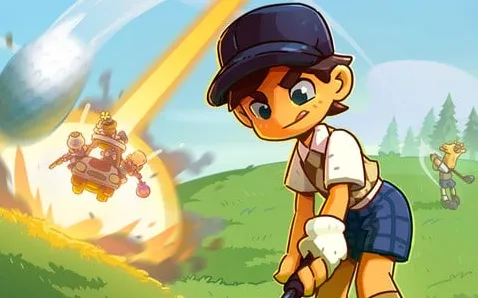
Super Battle Golf is the obvious gaming peg here: a multiplayer-focused, sabotage-heavy arcade golf game headed to Switch 2 in Summer 2026, built around 1-8 player online chaos where everyone plays simultaneously. That sounds goofy on the surface, but for hardware people, it’s a clean signal. Games like this punish weak inputs, mushy sticks, bad ergonomics, and tiny timing inconsistencies far more than traditional turn-based sports sims. If the whole point is to swing, shoot, disrupt, and race to the hole in real time, then your controller and display setup stop being background gear and start becoming part of your performance ceiling.
That matters because Nintendo platforms historically attract two audiences that often want very different things: party-session players who care about convenience, and competitive tinkerers who obsess over grip comfort, stick tension feel, trigger travel, and latency. A “finish first by any means necessary” design pushes those worlds together. The minute a game turns golf into a free-for-all rush instead of a patient precision sim, you should expect demand to rise for better thumb grips, lower-fatigue controller shells, and portable-friendly charging setups that survive long online sessions.
“Chaos games expose weak hardware habits faster than serious sims do. When everyone is moving at once, even small comfort issues turn into missed shots and sloppy recoveries.”
That’s the accessory angle people miss. Not every upcoming Switch 2 release needs a bespoke controller ecosystem, but games with simultaneous multiplayer pressure absolutely move the needle. The buyers who shrug at a kart racer or couch brawler often care once a game starts blending speed, aim, and sabotage into one loop.
Why an 11-year-old soundtrack story still matters to hardware buyers
The Life is Strange discussion looks unrelated until you remember how people actually use handhelds and hybrid consoles now. The renewed focus on that game’s licensed soundtrack isn’t just nostalgia; it’s a reminder that audio remains one of the most underbought parts of the console accessory stack. A lot of players will spend big on a shell swap or carry case, then keep using flat, uncomfortable audio gear that kneecaps immersion in exactly the sort of mood-driven, narrative-heavy games that live or die on music.
Licensed music ages differently from flashy rendering tricks. Eleven years later, players still talk about song placement, tone, and how specific tracks framed emotional beats. That should tell you something important: if your portable setup has weak imaging, poor seal, or harsh upper mids, you’re not just losing “nice-to-have” fidelity. You’re losing one of the core reasons certain games stick in your memory. For Switch 2 and handheld users, this makes low-latency audio accessories a smarter buy than many impulse cosmetic upgrades.
“Players love to talk raw specs, but memory is often built through sound. The right headset or earbuds can make a narrative game feel upgraded even when the console itself hasn’t changed.”
If your use case is split between online multiplayer chaos and quieter single-player sessions, don’t optimize only for one. That’s how people end up with a controller they like and an audio setup they tolerate. A balanced loadout should cover both: secure grip and input consistency for fast-action games, plus comfortable, detailed sound for long story sessions. You don’t need studio-grade gear, but you do need something better than throw-in earbuds and TV speakers firing across the room.
The hidden pattern: console players are buying for scenarios, not categories
This is where the oddball sources line up. A beginner drone getting a major price drop, AI sliding into Word, and gaming headlines built around spectacle all point to the same consumer trend: people are increasingly comfortable buying devices that remove friction. They want easier capture, easier creation, easier setup, easier sharing. That behavior bleeds directly into console accessories. Buyers are not thinking, “I need a generic accessory.” They’re thinking, “I need gear that makes my multiplayer nights smoother,” or “I need my handheld to be more comfortable on the couch,” or “I want better audio because this game’s soundtrack actually matters.”
The DJI Mini 4K sale is useful here because it highlights the current appetite for approachable hardware with automation baked in. Under 249 grams, no FAA registration in the standard configuration, automated takeoff and landing, GPS return, 31-minute battery estimate, 3-axis gimbal stabilization, and easy preset shots: that package sells because it lowers the skill floor without making the product feel disposable. Console accessories that win right now follow the same rule. The stuff that performs best is the gear that makes your system easier to live with while still delivering a real upgrade in comfort, protection, or control.
If you’re building a portable-first setup, start with the basics that genuinely affect play quality: grip, storage, charging, and thermal comfort. A flashy shell mod is fun, but it won’t rescue a handheld session if your palms cramp after 40 minutes or your battery anxiety changes how you play. If you’re expanding beyond Nintendo, browsing purpose-built Steam Deck Accessories is a useful reminder that the smartest handheld gear solves stress points you notice every single day, not the ones that only show up in marketing photos.
What accessory buyers should do before the Switch 2 cycle gets noisy
Early platform hype always creates the same trap: people buy as if all games demand the same setup. They don’t. A sabotage-heavy sports brawler, an emotional soundtrack-led adventure, and a quick-pickup portable session all push your hardware in different ways. So before you buy anything for Switch 2, ask a brutally simple question: where do you actually feel friction right now? Is it hand fatigue? Audio disappointment? weak charging habits? poor travel storage? stick accuracy? That answer should drive your first purchase, not whatever accessory gets the loudest launch-week buzz.
Here’s the expert-level tip most buyers skip: prioritize accessories that improve repeat-session quality, not accessories that impress for one weekend. Repeat-session quality means the thing still feels useful after the novelty wears off. A better grip shape reduces cumulative wrist strain. A smarter case makes your handheld genuinely portable instead of “portable in theory.” Reliable low-latency audio improves every story game and every late-night session. Even a simple charging dock earns its keep if it removes setup friction and keeps your console topped off between matches. Want the short version? Buy for your pain point, then buy for your play pattern.
The weird spread of current news makes that lesson clearer, not messier. A super chaotic golf game tells you fast multiplayer is still evolving in ways that punish weak gear. A soundtrack retrospective proves audiovisual quality outlasts hype cycles. A discount beginner drone shows how strongly buyers respond to accessible, low-friction hardware. And AI entering everyday software is another reminder that convenience is now part of the value equation whether enthusiasts like it or not. For console accessory shoppers, the takeaway is practical: the best setup in 2026 won’t be the one with the longest spec sheet. It’ll be the one that removes the most friction from how you actually play.