You usually don’t think about game age ratings when shopping for console gear. But if you’re waiting on the next wave of Nintendo Switch 2 releases, those quiet backend updates can tell you something useful before a trailer drop ever does: when it’s time to stop guessing and start planning your setup. A fresh PEGI listing for Splatoon Raiders and an updated rating for Fire Emblem: Fortune’s Weave may look like admin work. For Switch hardware watchers, it looks more like movement.
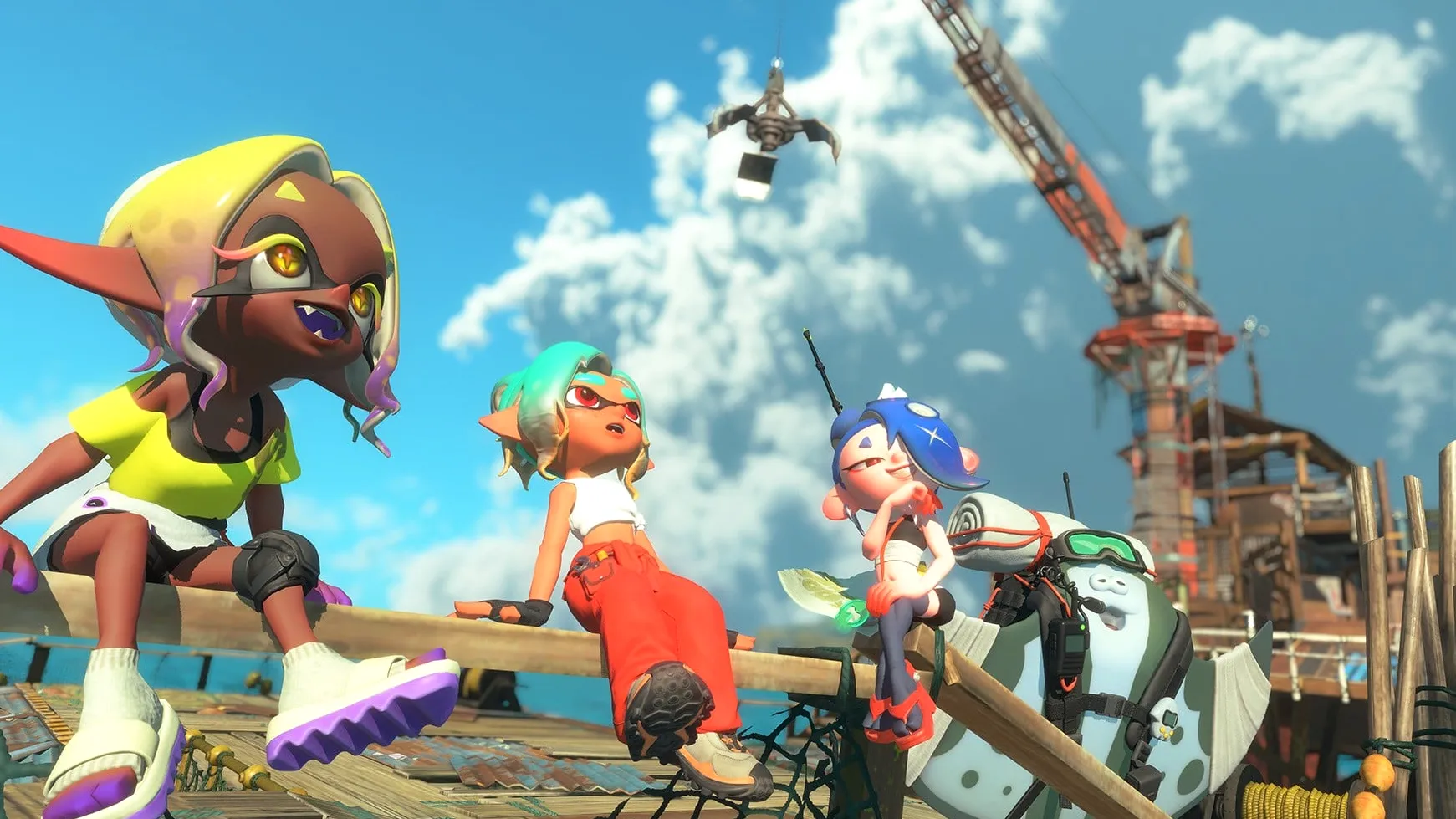
That matters because software momentum changes accessory demand fast. A new competitive-leaning Nintendo release can spike interest in sticks, grips, shells, travel cases, and replacement parts overnight. If you’ve followed enough platform cycles, you know the pattern: ratings appear, storefront pages get cleaned up, then Nintendo starts feeding the news machine. So if you’re a Switch 2 owner—or planning your upgrade path—this is one of those moments worth reading correctly.
Why are Switch 2 ratings suddenly a big deal?
Because ratings are one of the most reliable pre-release signals that a publisher is moving from vague future plans to something more concrete. In this case, two first-party Nintendo Switch 2 projects reportedly received updated European ratings status. Splatoon Raiders now carries a PEGI 7 rating, while Fire Emblem: Fortune’s Weave appears to have shifted from a provisional label to PEGI 12.
That doesn’t automatically mean a shadow drop is happening tomorrow. It does mean these games are progressing through the kinds of approval and store-prep steps that tend to happen closer to public marketing beats. Nintendo has already indicated Fire Emblem: Fortune’s Weave is targeting 2026, while Splatoon Raiders still sits in TBD territory. The practical read? Splatoon Raiders looks like the more immediate candidate for fresh footage, a release window update, or preorder timing.
And no, ratings by themselves are not enough to lock a date. But paired with how platform holders stage reveals, they’re often the breadcrumb that tells you internal schedules are no longer pure vapor. If you’ve been burned by wishful thinking before, that’s the difference between rumor-chasing and pattern recognition.
Why does this matter for Switch 2 accessories and controller planning?
Because game type drives hardware behavior. A lot. Splatoon-adjacent players don’t interact with their gear the same way strategy RPG players do. One group is brutal on sticks, triggers, and thumb caps. The other often cares more about comfort over long sessions, tabletop ergonomics, and docked-vs-handheld flexibility.
Splatoon-style play is especially hard on analog hardware. Fast directional flicks, quick aim corrections, and repeated movement bursts expose weak joystick modules faster than slower-paced games do. If Splatoon Raiders becomes the next major online-heavy Switch 2 time sink, you can expect more players to start asking the same question they ask every generation: how long before stick wear shows up?
That’s where smarter component choices matter. If you’re already thinking ahead for a more durable input setup, Hall Effect Joystick Modules are the obvious category to watch because they’re aimed at reducing the wear issues associated with traditional contact-based stick designs. For players who grind shooters, movement-heavy action games, or anything with aggressive camera control, longevity is not a luxury feature. It’s maintenance prevention.
On the other side, a game like Fire Emblem: Fortune’s Weave creates a different buyer pattern. It won’t usually trigger panic about response time or stick degradation. It tends to push interest toward comfort accessories, shell customization, and systems that feel more personal during long campaign sessions. That means the software slate isn’t just entertainment news—it helps you predict what kind of hardware ecosystem will heat up next.
Is Splatoon Raiders the real headline here, or is Nintendo signaling something bigger?
Splatoon Raiders is probably the sharper immediate headline, but the bigger signal is Nintendo’s pipeline discipline. When multiple first-party projects start getting ratings attention, it suggests the platform holder is filling in its release calendar with more confidence. That’s important for accessory buyers because a healthy first-party lineup keeps the install base active, and active players spend on gear.
Why does that matter beyond software hype? Because accessory markets live and die on engagement, not just installed consoles. A dormant handheld doesn’t sell premium grips. A dead multiplayer scene doesn’t move replacement sticks. A strong first-party slate, especially one that spans action and strategy audiences, supports a wider spread of hardware demand.
There’s another angle here too: Nintendo’s mysterious projects often generate the wrong shopping behavior. Players buy too early, stack generic accessories that don’t match their actual play habits, then upgrade again once the real killer app lands. That’s wasted money. If Splatoon Raiders turns into a major system mover, the better play is to prioritize performance-touching upgrades first and cosmetics second.
- If you expect competitive or precision-heavy play: prioritize sticks, grips, thumb caps, and charging readiness.
- If you expect long handheld sessions: prioritize shell feel, weight balance, heat comfort, and travel protection.
- If you’re undecided: hold off on niche extras until Nintendo gives a firmer release cadence.
That’s a boring answer if you want instant retail therapy. It’s also the one that saves you from buying twice.
What can accessory buyers learn from the wider industry noise around these stories?
A lot, actually. The surrounding games chatter points in two useful directions: players still react hard to unfinished platform plans, and communities are hungry for experiences with staying power. You can even see that contrast in broader discussions around canceled live-service projects and rediscovered hidden gems on current Nintendo hardware.
The lesson is simple: don’t confuse platform noise with platform value. Big announcements can vanish. Highly anticipated multiplayer projects can be canceled late. Meanwhile, games with quieter launches can build serious playtime and reshape what users want from their hardware. That’s why ratings movement matters more than empty teaser energy—it’s tied to real release machinery.
For Switch 2 shoppers, the smart move is to buy around usage patterns you know will outlast a single hype cycle. Ask yourself: are you building for ranked sessions, couch co-op, travel, or marathon RPG play? If you can’t answer that yet, you probably shouldn’t be locking yourself into a full accessory stack.
Quick reality check: the best accessory purchase is usually the one that fixes a recurring pain point, not the one that looks most “next-gen” in a product listing.
That sounds obvious, but players ignore it constantly. A flashy shell swap won’t help if your real problem is thumb fatigue. A premium carry case won’t matter much if your sticks develop issues under heavy play. Start with the weakness in your current setup.
So what should you actually do before Nintendo shares more Switch 2 news?
Use this waiting period well. If these rating updates do lead to a proper Nintendo beat, accessory availability could tighten around the same time. You don’t need to panic-buy, but you should get your priorities straight now.
1. Audit your current play style
If you mainly play shooters, action titles, or games with constant camera movement, your controller hardware takes more punishment than you think. If your sessions are slower and longer, ergonomics and thermal comfort matter more. Build around that.
2. Decide whether performance or customization comes first
This is where a lot of players go wrong. They personalize the system before they harden the weak points. If you already know you’ll put serious hours into Switch 2, reliability upgrades should usually beat cosmetic ones. Once the functional basics are covered, then you can chase the visual identity.
That said, if customization is your thing, there’s a good reason shell interest keeps growing every generation: handhelds are intimate devices. You hold them for hours, throw them in bags, and stare at them up close. A quality shell setup changes how the system feels every single day. If that’s your lane, browsing Nintendo Switch Shells can help you map out style options before demand spikes around the next software wave.
3. Wait for one more signal before going all-in
Ratings are strong breadcrumbs, but they’re still breadcrumbs. The next signal to watch is a cleaned-up store page, a firm release window, preorder movement, or a dedicated Nintendo spotlight. Once two of those line up, that’s usually when it makes sense to buy with confidence.
4. Buy for the game you’ll actually grind
Be honest with yourself. Are you really preparing for Fire Emblem, or are you secretly planning to sink 300 hours into the first competitive Switch 2 game that clicks? Your accessory strategy should match your real behavior, not your aspirational backlog. Harsh? Sure. Accurate? Absolutely.
| Player Type | Best Accessory Priority | Why It Matters |
|---|---|---|
| Competitive action player | Joystick reliability and grip comfort | Higher input stress, faster wear, more sensitivity to control issues |
| RPG/strategy marathon player | Ergonomics and shell feel | Long sessions expose hand fatigue and comfort flaws |
| Portable commuter | Protective shell and travel-ready setup | Frequent packing, handling, and variable play environments |
| Wait-and-see buyer | Minimal baseline essentials only | Avoids overbuying before the release slate becomes clearer |
The main takeaway is straightforward: these Switch 2 ratings are small on paper, but they’re a real market tell. Splatoon Raiders looks increasingly likely to get another news beat, Fire Emblem: Fortune’s Weave appears to be moving through the expected pipeline, and Nintendo’s first-party calendar is starting to look more tangible. When that happens, accessory demand doesn’t rise evenly. It clusters around the games that change how people play.
If you want to stay ahead of that curve, don’t just watch the trailers. Watch the signals behind them, then buy the gear that solves the problem your next 100 hours will actually create.