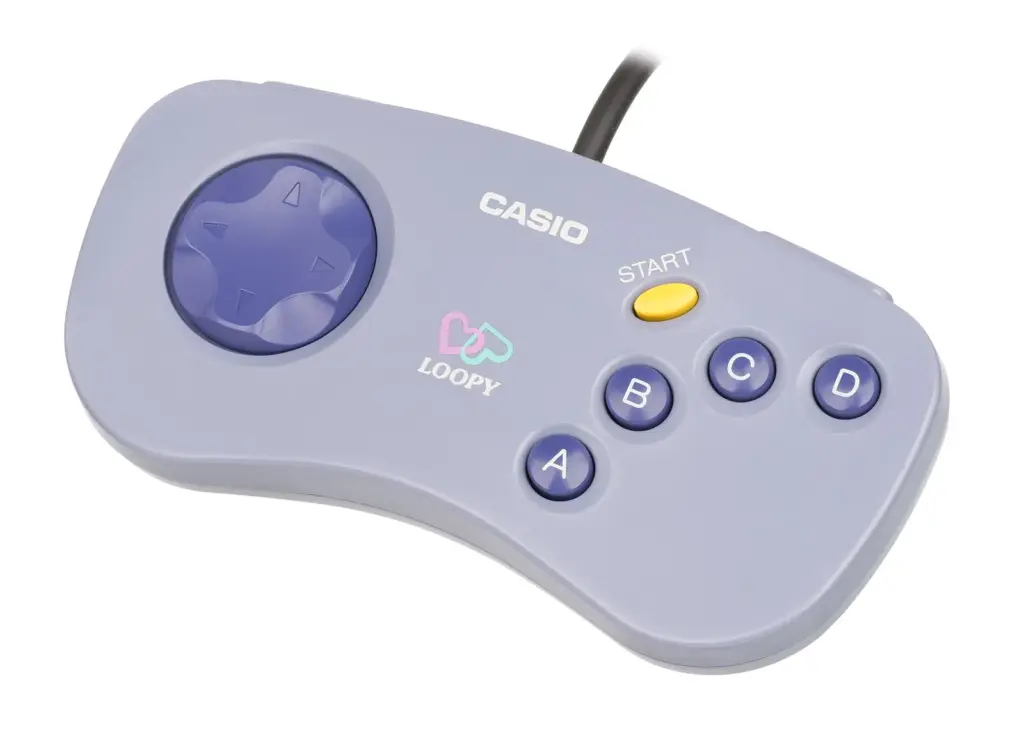
The Sticky Phase
It starts with a subtle tackiness. You pick up your old Xbox or PS4 controller after a few months of neglect, and it feels grimy. You wash your hands, but the plastic still feels weird—like it’s coated in a layer of invisible syrup. Most people assume it’s just accumulated sweat and dust from late-night gaming sessions. I used to think that too, until I scrubbed a controller down with isopropyl alcohol for twenty minutes and the stickiness came back two days later.
It’s not dirt. It’s degradation.
The plastic used in controller shells, usually ABS (Acrylonitrile Butadiene Styrene), is mixed with plasticizers to keep it flexible and durable. Over time, these additives break down and migrate to the surface. Essentially, the controller is “sweating” out its own chemical structure. This is why a brand-new feel is impossible to maintain indefinitely; the material itself is changing chemistry right in your hands.
Why Plastic Bleeds
This process accelerates based on environment, which explains why some controllers turn into sticky messes while others stay pristine. If you leave your gear in a hot car or a humid room, you are basically fast-forwarding the decay. The heat gives the plasticizer molecules the energy they need to move. They escape the polymer matrix and rise to the surface.
I’ve noticed this happens faster with certain finishes. Matte textures seem to trap the goo more than glossy ones, making the degradation feel worse even if the chemical process is identical. It’s gross, honestly. Once that layer is exposed to air, it oxidizes and turns into a sticky resin that attracts every speck of dust and lint in the room. You aren’t playing on plastic anymore; you’re playing on a chemical byproduct.
When Things Get Brittle
If stickiness is the first stage, the second stage is terrifying: structural failure. After the plasticizers leave, the remaining plastic becomes rigid and prone to UV damage. This is where the “snapping” happens during repairs. I’ve seen countless DIY videos where someone tries to open a Switch controller or an older console shell, apply a tiny bit of pressure with a spudger, and crack.
The plastic turns into something resembling dried pasta. It doesn’t bend; it shatters.
This brittleness complicates maintenance heavily. You might just want to clean your analog sticks or replace a drifting sensor, but the moment you try to unclip the back shell, the plastic tabs break off. This is a major reason why manufacturers often use complicated screws and clips—they know the plastic won’t survive aggressive disassembly years down the line.
The Reality of Maintenance
So, what can you actually do? The internet is full of home remedies involving baby powder, baking soda, or acetone. Some work temporarily, some destroy the finish. Coating the sticky plastic in a thin layer of clear nail polish or a dedicated plastic sealant can seal in the remaining plasticizers, but it changes the texture completely. It feels like you’re holding a varnished fence, not a precision tool.
For long-term preservation, controlling the environment is the only real fix. Keep controllers out of direct sunlight and away from heat sources. If you aren’t using a specific device for a while, store it in a sealed box or a drawer.
If you are diving into DIY repairs—which is becoming increasingly necessary as drift issues plague modern hardware—be gentle. Heat the plastic slightly with a hairdryer before prying. It adds flexibility back to the shell for a few minutes, giving you just enough leeway to pop the clips without sending plastic shards flying across the room.
Buying Better Parts
When you inevitably need to replace a shell because the old one is too sticky or too broken, quality matters. The aftermarket is flooded with cheap replacement housings that skip quality control. These low-grade plastics often lack the right balance of stabilizers, meaning they will degrade even faster than the original manufacturer’s part.
If you are going to spend the time fixing your gear, buy OEM or high-grade aftermarket ABS. It’s frustrating to pay $15 for a shell that feels like chalk and snaps during installation. I’ve learned this the hard way. A good shell feels dense and slightly greasy to the touch (in a good way)—that’s the plasticizer still trapped inside where it belongs.