You notice it first when a new handheld or console game gets its performance targets posted: 4K here, 60fps there, dynamic resolution doing damage control in the background, and suddenly everyone in the comments acts like raw optimization exists in a vacuum. It doesn’t. The uncomfortable truth for console accessory buyers is that the same silicon and memory market now being distorted by AI demand is quietly changing what gaming hardware costs, what features get prioritized, and how aggressively manufacturers chase thermal and storage efficiency.
The hardware story behind one game spec sheet
The newest example is easy to brush off as just another launch detail. Mouse: P.I. for Hire has now outlined platform-specific performance targets ahead of its Switch 2 release, giving players a clearer sense of what Nintendo’s new hardware is aiming for in real-world terms. But game-by-game performance reveals matter beyond curiosity. They expose the balancing act happening across memory bandwidth, power budgets, asset streaming, and display expectations. When a platform has to juggle resolution targets with smooth frame pacing, that usually points to one thing: memory and graphics resources are precious, not abundant.
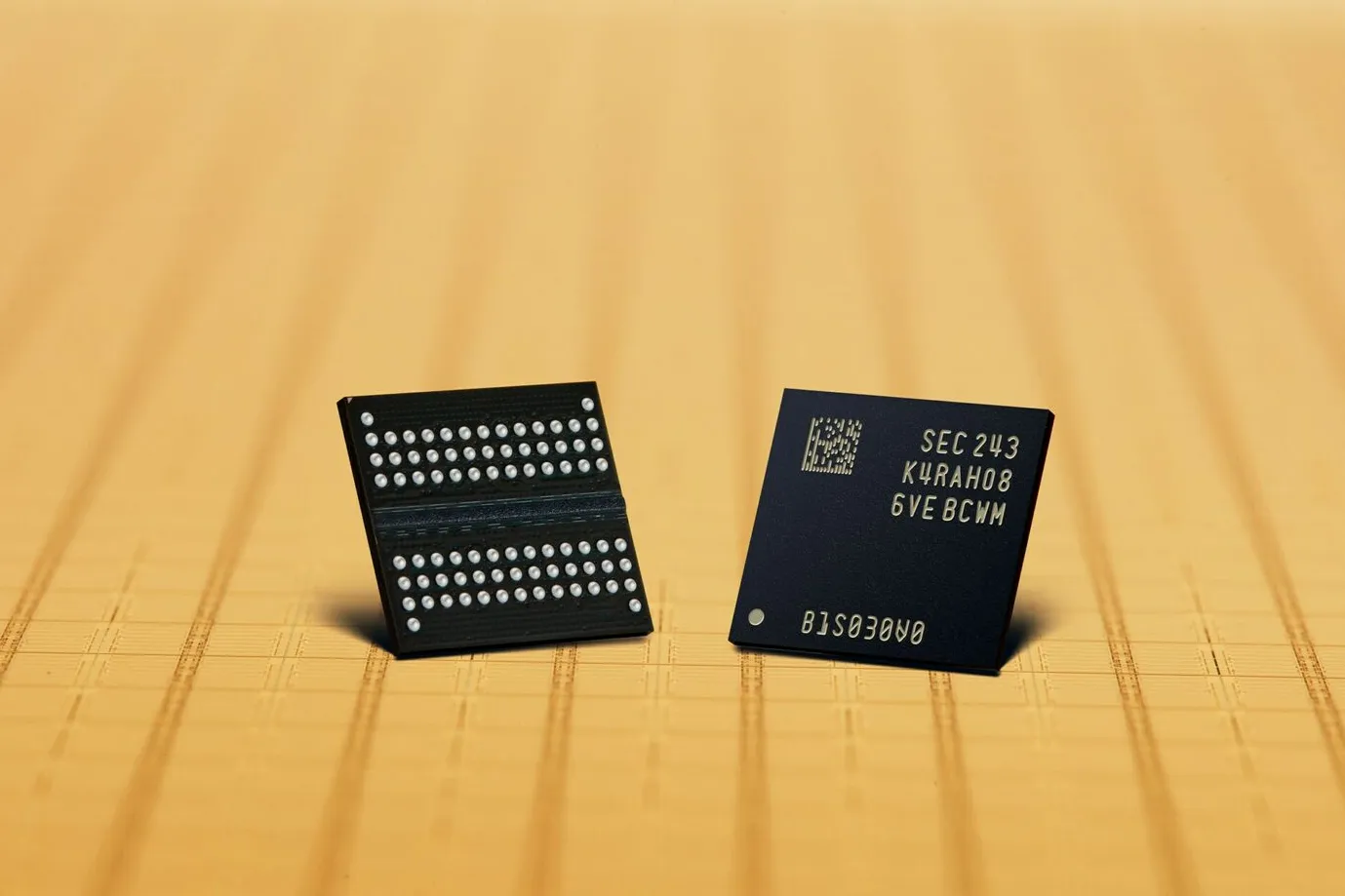
That becomes much more interesting when you zoom out. Samsung’s memory business has surged hard enough to underline a bigger industry shift: DRAM and related memory supply are no longer just a back-end manufacturing detail for phone makers and PC builders. They are now strategic bottlenecks in the AI race. If memory suppliers are making extraordinary profits because demand is overwhelming supply, gaming hardware doesn’t get to live in a separate universe. Consoles, handhelds, docks, upgraded storage solutions, and accessory ecosystems all inherit the consequences.
The real fight in gaming hardware isn’t only GPU horsepower anymore. It’s access to memory capacity, memory bandwidth, and the thermal headroom needed to use both efficiently. When those inputs get expensive, every device maker starts making harder compromises.
Why Samsung and the memory boom matter to console players
Most gamers obsess over teraflops and skip the boring bits. That’s a mistake. Samsung’s standout memory profits reflect a market where high-bandwidth and advanced memory are in short supply because AI infrastructure is soaking up capacity. Even if a Switch 2, Steam Deck successor, or PS5 accessory doesn’t use the exact same premium memory stack as an AI accelerator, the supply chain pressure spreads. Wafer allocation shifts. Packaging priorities shift. Margins shift. Suddenly, components that looked routine a few years ago become more strategic and more expensive.
That pressure doesn’t always show up as a dramatic MSRP hike on the box. Sometimes it appears in subtler ways that accessory buyers feel immediately: fewer storage tiers at launch, more aggressive use of dynamic resolution, tougher thermal constraints in compact hardware, or a longer wait for meaningful revisions. Manufacturers protect price points by cutting somewhere else. Maybe the panel stays good instead of great. Maybe internal storage remains tighter than you’d expect. Maybe a dock or controller revision lands before a true internal hardware leap because plastics and external features are easier to market than costly silicon changes.
If you own handheld hardware, this is exactly why smart accessory spending matters more than ever. A display mod, cooling-friendly grip, or carefully chosen case can extend useful life in a market where replacing the whole machine may get less attractive. On portable systems, even basic visibility upgrades can reduce the urge to chase a full hardware refresh; a good steam deck anti glare screen protector is a small example of the kind of purchase that improves the daily experience without demanding new silicon.
The Radeon deal tells you something else
The discounted Radeon RX 9060 XT with 16GB of VRAM adds another clue. At first glance, that deal is a straightforward PC gaming bargain: decent 1440p performance, a useful discount, and enough memory to avoid looking under-specced the second next-gen texture packs get heavier. But this is where the console accessory angle gets interesting. A 16GB card being pitched as the sensible buy reinforces where the market is heading: memory capacity is becoming central to longevity. Not optional. Not a luxury bullet point. A buying filter.
That matters for console and handheld players because game development pipelines don’t stay neatly separated. The assets built for memory-hungry PC and AI-assisted production workflows eventually influence compression choices, texture expectations, patch sizes, and streaming behavior across platforms. If PC buyers are being nudged toward more VRAM to stay comfortable, don’t be surprised when console versions lean harder on dynamic reconstruction, lower-quality shadow data, or more aggressive asset management to hold stable performance. You may not see “memory pressure” on the marketing page, but you’ll see it in the frame-time graph.
When VRAM and DRAM become premium resources, optimization doesn’t disappear. It just gets more selective. Developers preserve the scenes and effects that sell trailers, then make compromises in traversal, image stability, or background asset quality to stay inside budget.
What this means for Switch 2, PS5 add-ons, and Steam Deck gear
For Switch 2 watchers, every new performance disclosure is a reminder that Nintendo is still playing the same clever game it always does: balancing efficiency, battery sensitivity, and software-first polish against raw brute force. That strategy works best when component costs are predictable. In a memory-constrained market, though, efficient design becomes less of a creative choice and more of a necessity. That’s why resolution targets and performance modes deserve more attention than flashy headline features. They reveal where the hardware is comfortable and where it’s being stretched.
For PS5 users, the same trend pushes value away from speculative upgrades and toward quality-of-life peripherals that improve the machine you already have. A sharper-feeling setup can come from ergonomics and input precision as much as rendering tech. If your current pad feels mushy in shooters or fatiguing in long sessions, a tuned ps5 custom controller can deliver more immediate competitive payoff than waiting around for some hypothetical mid-cycle hardware leap that may arrive with compromises anyway.
Steam Deck owners should be even more alert. Handheld PC gaming lives right at the intersection of all these pressures: battery limits, thermal density, memory sensitivity, and increasingly ambitious game assets. You can’t solve a constrained APU with wishful thinking. What you can do is build around it intelligently. Prioritize accessories that improve visibility, comfort, cooling behavior, and travel resilience. Then tune your games with ruthless honesty. Cap frames when frame pacing gets ugly. Lower settings that hammer memory bandwidth before you slash everything across the board. Use per-game profiles. Chasing unstable “high” presets on a handheld just to post screenshots is clown behavior.
The smart takeaway for accessory buyers in a distorted hardware market
The headline everyone sees is Samsung printing massive profit from memory while AI spending keeps supply tight. The headline console players should see is simpler: gaming hardware is entering a stretch where efficiency and longevity matter more than ever. New performance specs for games like Mouse: P.I. for Hire are not isolated trivia. Discounts on 16GB Radeon cards are not isolated trivia either. Together, they point to the same thing. Memory is now a frontline issue, and that changes how you should buy around your platform.
So what should you actually do? Stop treating accessories like cosmetic extras and start treating them like platform-extenders. Buy the upgrade that solves a friction point you feel every week: glare, grip fatigue, stick precision, charging convenience, storage management, transport safety. Watch performance target announcements closely, especially on Switch 2, because they tell you how much headroom developers really have. And when a new hardware rumor drops, ask the unsexy question first: where is the memory coming from, and what does that do to cost? If the answer looks messy, the smartest move may be optimizing your current setup instead of chasing the next box.