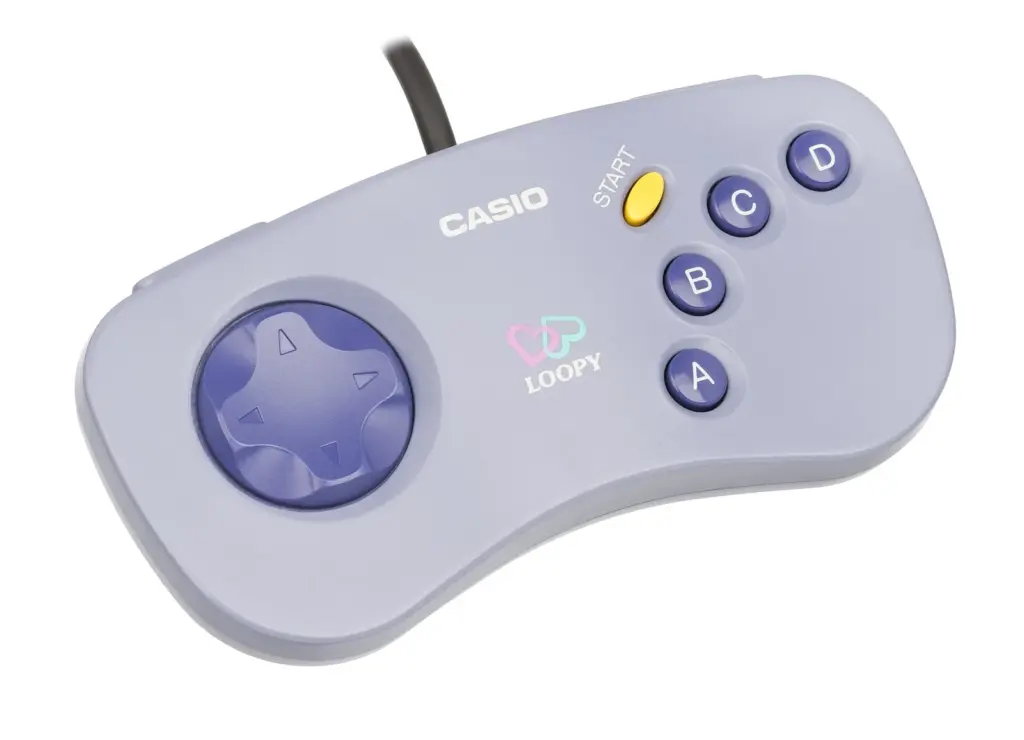
The Gross Reality of Tactile Failure
You pick up your trusty gamepad after a few months of neglect, and it feels wrong. Not broken, but… weird. Tacky. Like it’s been rolling around on the floor of a movie theater. It’s gross, right? You washed your hands, but the controller still feels like it’s coated in honey. This isn’t just a annoyance; it’s a tactile betrayal. I’ve seen this ruin the experience of otherwise perfect hardware. Whether it’s a PS5 DualSense, a pair of Joy-Cons, or an Xbox Elite controller, that sticky grip is a universal headache.
Why the Plastic Turns on You
Let’s figure out what the culprit actually is before you start scrubbing. It’s rarely just one thing.
First, there’s the human element. Your hands produce oils, and when you mix those oils with the dust in your gaming room, you get a grime layer that eventually polymerizes. It hardens into a film that feels sticky to the touch. It’s basically biological cement.
Then there’s the manufacturing issue. A lot of modern controllers use a “soft-touch” rubberized coating. It feels premium when you unbox it—matte, smooth, grippy. But give it two or three years of heat and humidity, and that plastic starts to break down. The plasticizers migrate to the surface. I’ve had old PS4 controllers literally disintegrate into a glue-like mess in my hands. It’s not dirt; it’s the material decomposing.
And don’t get me started on third-party skins. If you peeled a vinyl decal off your shell and left behind a residue, that’s a different beast. That’s just old adhesive crying for help.
Cleaning Without Destroying
Okay, let’s fix this. You don’t need a chemistry degree, but you do need patience.
Start with the basics. Dish soap and warm water. It sounds too simple, but for the “sweat and dust” gunk, this is usually all you need. Don’t dunk the controller in a sink—unless you want a paperweight. Dampen a microfiber cloth, add a drop of Dawn, and wipe it down. Use a soft toothbrush for the crevices around the buttons and sticks. Scrub gently. You want to lift the grime, not grind it in.
If the soap fails, move to isopropyl alcohol. High percentage (70% or higher). It cuts through oil like a hot knife through butter. Dampen a cloth or a cotton swab and wipe the affected area. It evaporates fast, so it won’t soak into the electronics.
Warning: If your controller has that rubberized coating I mentioned earlier, alcohol is a double-edged sword. It might remove the stickiness by dissolving the top layer of the coating. You’ll end up with a clean, hard plastic finish, but you lose that soft-touch feel. It’s better than sticky, I guess.
Dealing with the Stubborn Stuff
For adhesive residue from old stickers or really thick grime, you need something with a bit more grit. Make a paste out of baking soda and a little water. Rub it onto the sticky spot in small circles. It acts as a super mild abrasive that breaks down the bond without scratching the plastic underneath. Let it sit for a minute, then wipe it away with a damp cloth.
If you’re feeling brave and the plastic is hard (not rubberized), a tiny amount of Goo Gone or similar adhesive remover works wonders. But use a cotton swab. Be precise. If that stuff gets near the analog stick sensors or the motherboard contacts, you’re in trouble. Wipe it off immediately with a wet cloth after the residue lifts.
The Stuff You Should Never Use
I’ve seen people ruin their gear trying to speed this up. Don’t be that person.
Put down the nail polish remover. Acetone melts ABS plastic. You might think you’re cleaning it, but you’re actually dissolving the shell. One wipe can leave permanent cloudy marks or actual pits in the plastic.
Also, skip the steel wool and magic erasers. Magic erasers are basically microscopic sandpaper. They will scuff the surface, making it look dull and worn. You’ll trade a sticky controller for a scratched-up one.
Just stick to soap, alcohol, and time. It’s less satisfying than an immediate chemical blast, but your controller will survive to play another day.